
Table of Contents
Vivera Retainers: Complete Guide to Invisalign's Retention System in 2026
You have invested months -- perhaps years -- in Invisalign treatment, and the day has finally come when your orthodontist removes the last set of aligners. Your smile is beautifully aligned, and the transformation feels complete. But there is one more critical step that separates you from lasting results: retention. Without a well-fitting retainer, teeth naturally tend to drift back toward their original positions, a phenomenon known as orthodontic relapse.
Vivera retainers are Align Technology's answer to this challenge -- custom-made clear retainers engineered from the same digital models used during your Invisalign treatment. In this comprehensive guide, we cover everything American patients need to know about Vivera retainers in 2026, including costs, insurance coverage, wear schedules, care instructions, and how they stack up against other retention options.
What Are Vivera Retainers and How Do They Work?
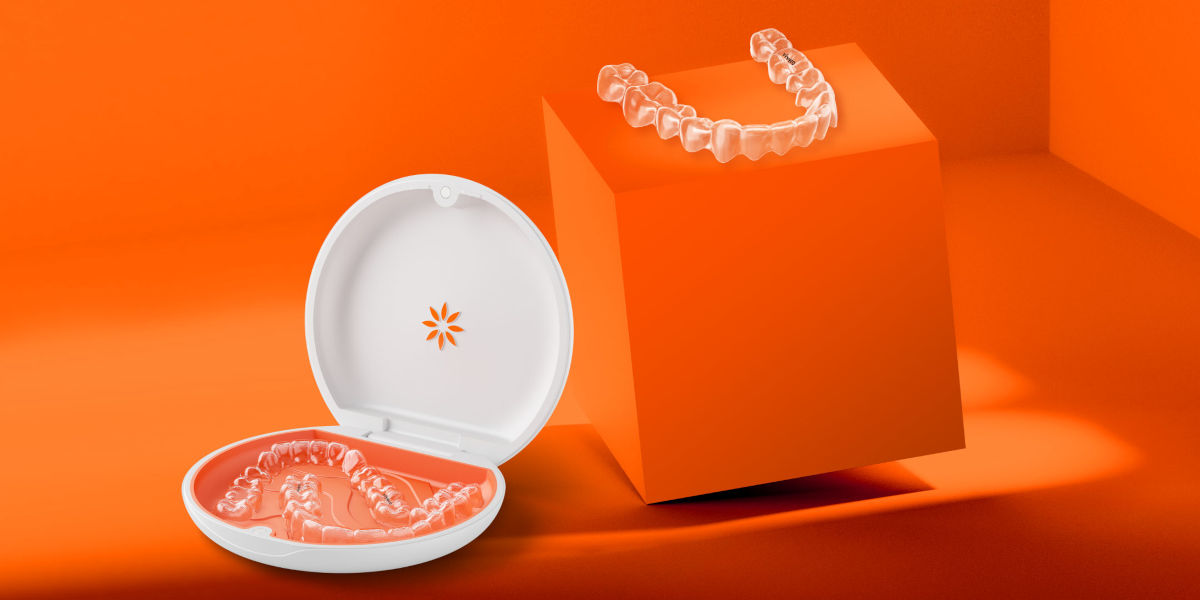
Vivera retainers are clear, removable orthodontic appliances manufactured by Align Technology, the same company behind Invisalign. Unlike generic thermoformed retainers, Vivera retainers are produced using proprietary SmartTrack material and ClinCheck digital modeling technology. This means each retainer is custom-fabricated from a precise 3D scan of your teeth taken at the conclusion of your active treatment phase.
When you order Vivera retainers through your Invisalign provider, you typically receive a set of four retainers -- enough to last several years with proper care. Each retainer is designed to hold your teeth in their corrected positions by applying gentle, passive pressure. According to Align Technology, Vivera retainers are 30% stronger and twice as durable as other leading clear retainer brands, which translates to better shape retention over time.
"Retention is arguably the most important phase of orthodontic treatment. Without it, even the most perfectly aligned teeth will gradually shift. Vivera retainers offer an excellent combination of durability and precision fit because they are made from the same digital records used during Invisalign therapy."
Good to Know: Vivera retainers are exclusively available through Invisalign-certified providers. You cannot purchase them directly from Align Technology or over the counter. Your orthodontist or dentist must submit a digital scan or impression to Align Technology's lab.
Why Is Retention Essential After Orthodontic Treatment?
Orthodontic relapse is one of the most common problems in dentistry. During active treatment -- whether with Invisalign trays, traditional braces, or lingual braces -- your teeth are gradually moved through the bone by controlled forces. The periodontal ligament fibers surrounding each tooth are stretched and remodeled during this process. However, these fibers have a strong "memory" and tend to pull teeth back toward their pre-treatment positions.
Research published in the American Journal of Orthodontics and Dentofacial Orthopedics shows that without retention, up to 70% of orthodontic patients experience some degree of relapse within 10 years. The risk is especially high during the first 12 to 18 months after active treatment concludes, but it can continue indefinitely.
Factors that increase relapse risk include:
- Severity of initial misalignment -- patients with significant crowding or spacing are at higher risk
- Age at treatment -- adult patients tend to experience more relapse than adolescents
- Periodontal health -- periodontal disease weakens the bone and ligament support
- Wisdom teeth eruption -- late-erupting wisdom teeth can push other teeth out of alignment
- Habits -- tongue thrust, mouth breathing, and teeth grinding (bruxism) can contribute to shifting
Warning: Stopping retainer wear prematurely is the number one cause of orthodontic relapse. The American Association of Orthodontists (AAO) recommends lifelong retention for adults. Even minor shifts can accumulate over years, undoing thousands of dollars in treatment.
Key Advantages of Vivera Retainers Over Competitors
Vivera retainers stand out in the crowded retainer market for several compelling reasons:
- Superior material strength -- Made from proprietary SmartTrack material, Vivera retainers are clinically proven to be 30% stronger than standard Essix-type retainers, meaning they resist cracking, warping, and discoloration better.
- Precision digital fit -- Because they are fabricated from your ClinCheck 3D model, the fit is exceptionally accurate. There is no manual trimming required, reducing the risk of sharp edges or ill-fitting margins.
- Four-retainer set -- Most providers order a set of four retainers, giving you built-in replacements. This eliminates the panic of breaking your only retainer and going days without one.
- Nearly invisible -- The clear, thin material makes Vivera retainers virtually undetectable when worn, ideal for professionals and social situations.
- Compatible with teeth whitening -- Many dentists allow patients to use their Vivera retainers as whitening trays by applying a small amount of ADA-accepted whitening gel inside.
- Easy maintenance -- Smooth, non-porous material resists bacterial buildup and can be cleaned with simple lukewarm water and a soft toothbrush.
| Feature | Vivera Retainers | Generic Essix Retainers | Hawley Retainers |
|---|---|---|---|
| Material | SmartTrack (proprietary) | Standard thermoplastic | Acrylic + metal wire |
| Visibility | Nearly invisible | Nearly invisible | Visible wire on front teeth |
| Durability | 30% stronger than Essix | Moderate | Very durable (years) |
| Comfort | Excellent (digital fit) | Good | Moderate (bulkier) |
| Retainers per order | 4 sets | 1 set | 1 set |
| Avg. US cost | $400 - $1,200 (set of 4) | $100 - $300 (per arch) | $150 - $600 (per arch) |
| ADA Accepted | Yes (via provider) | Varies | Yes |
How Long Should You Wear Your Vivera Retainers?
Retention protocols vary based on your orthodontist's recommendations, the complexity of your original case, and your age. However, the general guidelines used by most American orthodontists follow a phased approach:
| Phase | Time Period | Recommended Wear |
|---|---|---|
| Immediate retention | First 3-6 months | 22 hours/day (full-time except eating and brushing) |
| Transition | Months 6-12 | 12-14 hours/day (evenings and nighttime) |
| Long-term maintenance | Year 2+ | Nightly wear (8-10 hours) |
| Lifelong (adults) | Indefinitely | Nightly or every other night per orthodontist guidance |
For teenagers, many orthodontists recommend at least two to three years of consistent nightly wear, followed by indefinite use several nights per week. For adults, lifelong nightly retention is the current standard of care recommended by the AAO because adult bone remodels more slowly and relapse risk persists throughout life.
"I tell my patients that retainers are like a gym membership for your smile -- you have to keep using them to maintain results. The moment you stop wearing your retainer consistently, your teeth begin the slow journey back toward their original positions."
Daily Care and Maintenance of Vivera Retainers
Proper maintenance extends the life of your Vivera retainers and keeps your oral hygiene on track. Here are the essential daily care steps:
- Rinse after every removal -- As soon as you take out your retainer, rinse it under cool or lukewarm water to remove saliva and prevent plaque from drying on the surface.
- Brush gently -- Use a soft-bristled toothbrush (not the same one you use for your teeth) and gently brush all surfaces of the retainer. Avoid abrasive toothpaste, which can scratch the clear material and create cloudy areas.
- Soak periodically -- Once or twice a week, soak your retainer in a denture cleaning solution or Invisalign cleaning crystals for 15 to 20 minutes to eliminate bacteria and odors.
- Store properly -- Always store your retainer in its protective case when not in your mouth. Never wrap it in a napkin (the most common reason retainers get thrown away accidentally).
- Avoid heat -- Never expose your retainer to hot water, boiling water, a dishwasher, or direct sunlight. Heat warps the thermoplastic material and destroys the precision fit.
- Keep away from pets -- Dogs in particular are attracted to the scent of saliva on retainers and will chew them beyond repair.
Good to Know: If your retainer starts to smell even after cleaning, try soaking it in a solution of one part white vinegar to three parts cool water for 20 minutes. This is an ADA-recommended home remedy for disinfecting dental appliances without harsh chemicals.
Vivera Retainer Cost and Insurance Coverage in the US
The cost of Vivera retainers varies across the United States depending on your geographic location, orthodontist's pricing, and whether the retainers are included in your overall Invisalign treatment fee. Here is what American patients can typically expect:
Typical pricing: A complete set of four Vivera retainers (upper and lower) ranges from $400 to $1,200. Many Invisalign providers include the first set of Vivera retainers in the total treatment cost, which can range from $3,000 to $8,000 depending on the complexity of the case.
Insurance coverage: Dental insurance plans that include orthodontic benefits may cover a portion of retainer costs. However, coverage varies significantly. Most plans cover orthodontics only once in a lifetime and typically for patients under 19. Adult orthodontic coverage, when available, usually has a separate lifetime maximum (often $1,500 to $2,500).
| Payment Option | Details | Est. Out-of-Pocket Cost |
|---|---|---|
| Included in Invisalign treatment | Many providers bundle the first set | $0 (built into treatment fee) |
| Separate purchase (set of 4) | Ordered after treatment or as replacements | $400 - $1,200 |
| Dental insurance with ortho coverage | Typically covers 50% of ortho procedures | $200 - $600 |
| FSA / HSA funds | Pre-tax dollars can be used for retainers | Varies (tax savings of 20-35%) |
| CareCredit / dental financing | 0% APR promotional periods available | Monthly payments from $35/mo |
Good to Know: If you have both an FSA and an HSA, retainers are eligible expenses under both. Using pre-tax dollars effectively reduces your cost by your marginal tax rate -- typically 22% to 35% for most American households. File your retainer receipt with your benefits administrator for reimbursement.
Vivera vs Other Retainer Types: A Detailed Comparison
Vivera is not the only retention option available after orthodontic treatment. Understanding the alternatives helps you make an informed decision with your orthodontist.
Bonded (Permanent) Retainers: A thin metal wire bonded to the back (lingual) surfaces of your front teeth. This retainer is completely invisible and works 24/7 without any patient compliance required. The downside is that it makes flossing more challenging and can break or debond, requiring emergency dental visits. Bonded retainers typically cost $250 to $500 per arch in the US.
Essix Retainers: Generic clear retainers made in-office or at a local lab using a vacuum-formed thermoplastic sheet. They look similar to Vivera but are made from standard materials and tend to crack or yellow more quickly. They are the most affordable option at $100 to $300 per arch.
Hawley Retainers: The classic retainer design featuring an acrylic base that sits against the roof of your mouth (or behind your lower teeth) with a metal wire that wraps around the front teeth. Hawley retainers are adjustable, durable, and can last for years with proper care. However, the visible metal wire is a cosmetic concern for many patients. They cost $150 to $600 per arch.
Many orthodontists recommend a combination approach: a bonded retainer on the lower arch (where relapse is most common) combined with a removable Vivera retainer for the upper arch. This provides the security of permanent retention where it matters most while maintaining convenience and aesthetics on top.
"For my post-Invisalign patients, I typically recommend Vivera retainers for both arches combined with a permanent bonded retainer on the lower anterior teeth. This dual approach provides the best protection against relapse. The Vivera trays also double as whitening trays, which is a nice bonus for patients who want to maintain their bright smile."
Common Problems and Troubleshooting
Even the best retainers can present occasional challenges. Here are the most common issues Vivera users encounter and how to handle them:
Retainer feels tight after not wearing it for a few days: This is normal and actually a sign that your retainer is doing its job -- your teeth shifted slightly and the retainer is pushing them back. Wear the retainer consistently for a few days and the tightness should resolve. If the retainer cannot seat fully, contact your orthodontist immediately.
Retainer has a crack or chip: Switch to your backup retainer (this is the beauty of the four-set system) and contact your orthodontist to order a replacement. Do not attempt to glue or repair a cracked retainer yourself.
Retainer causes a lisp: A slight lisp is common during the first few days of wear. It typically resolves within one to two weeks as your tongue adapts to the appliance. Reading aloud can accelerate the adaptation process.
Retainer turns yellow or cloudy: This usually results from not cleaning the retainer regularly or from drinking colored beverages while wearing it. Soak in a cleaning solution and avoid coffee, tea, red wine, and soda while wearing your retainer.
Warning: If your retainer no longer fits or causes significant pain, do not force it onto your teeth. Forcing a retainer that no longer fits can damage your teeth, enamel, or gums. See your orthodontist for an evaluation -- you may need a new scan and a new set of retainers, or in some cases, limited retreatment with Invisalign refinements.
Frequently Asked Questions About Vivera Retainers
Do I have to wear retainers after Invisalign treatment?
Yes, retention is an essential and non-negotiable step after any orthodontic treatment, including Invisalign, traditional braces, and lingual orthodontics. Without retainers, teeth begin shifting within days to weeks. The AAO and ADA both emphasize that retention is critical to maintaining treatment outcomes. Skipping this step can result in the need for costly retreatment.
How long do Vivera retainers last before needing replacement?
With proper care, a single Vivera retainer typically lasts 12 to 24 months with nightly wear. Since you receive four retainers per order, a single order can last 4 to 8 years. Factors that shorten retainer life include teeth grinding (bruxism), improper cleaning, and exposure to heat. Your orthodontist can monitor retainer condition during regular check-ups and advise when replacement is needed.
Can I eat or drink with my Vivera retainers in?
No. You must remove your Vivera retainers before eating or drinking anything other than plain, cool water. Eating with retainers in can crack, warp, or stain them. Hot beverages will distort the thermoplastic material. Acidic or sugary drinks trapped between the retainer and your teeth create an environment for rapid cavity formation. Always brush your teeth before reinserting your retainers after meals.
Are Vivera retainers safe during pregnancy?
Yes, Vivera retainers are completely safe to wear during pregnancy. In fact, orthodontists strongly recommend continued retainer use during pregnancy because hormonal changes can affect the periodontal ligament, potentially causing teeth to shift more than usual. The BPA-free SmartTrack material poses no known risks to the mother or developing baby.
What happens if I lose or break a Vivera retainer?
If you lose or break your current Vivera retainer, immediately switch to your next backup retainer from your set of four. Contact your orthodontist's office to report the situation. If all four retainers are used or lost, your provider can order a new set from Align Technology using your original digital scan. However, if significant time has passed without retainer wear and your teeth have shifted, a new scan may be required, which adds to the cost.
Sources
- 1. Align Technology. "Vivera Retainers." Official Product Information, 2025.
- 2. American Association of Orthodontists. "Retention and Relapse: Clinical Guidelines." AAO Clinical Practice Guidelines, 2024.
- 3. Littlewood SJ, et al. "Retention and relapse in clinical practice." Australian Dental Journal, 2017;62(1 Suppl):51-57.
- 4. American Dental Association. "Orthodontic Retainers: Maintaining Your New Smile." ADA Patient Education, 2024.
- 5. Pratt MC, et al. "Evaluation of retention protocols among American Association of Orthodontists members." American Journal of Orthodontics and Dentofacial Orthopedics, 2021;160(6):837-843.
- 6. Fair Health Consumer. "Dental Cost Estimates: Orthodontic Retainers." FairHealthConsumer.org, 2025.
- 7. National Association of Dental Plans. "Orthodontic Coverage Trends Report." NADP Research Brief, 2024.