
Contents
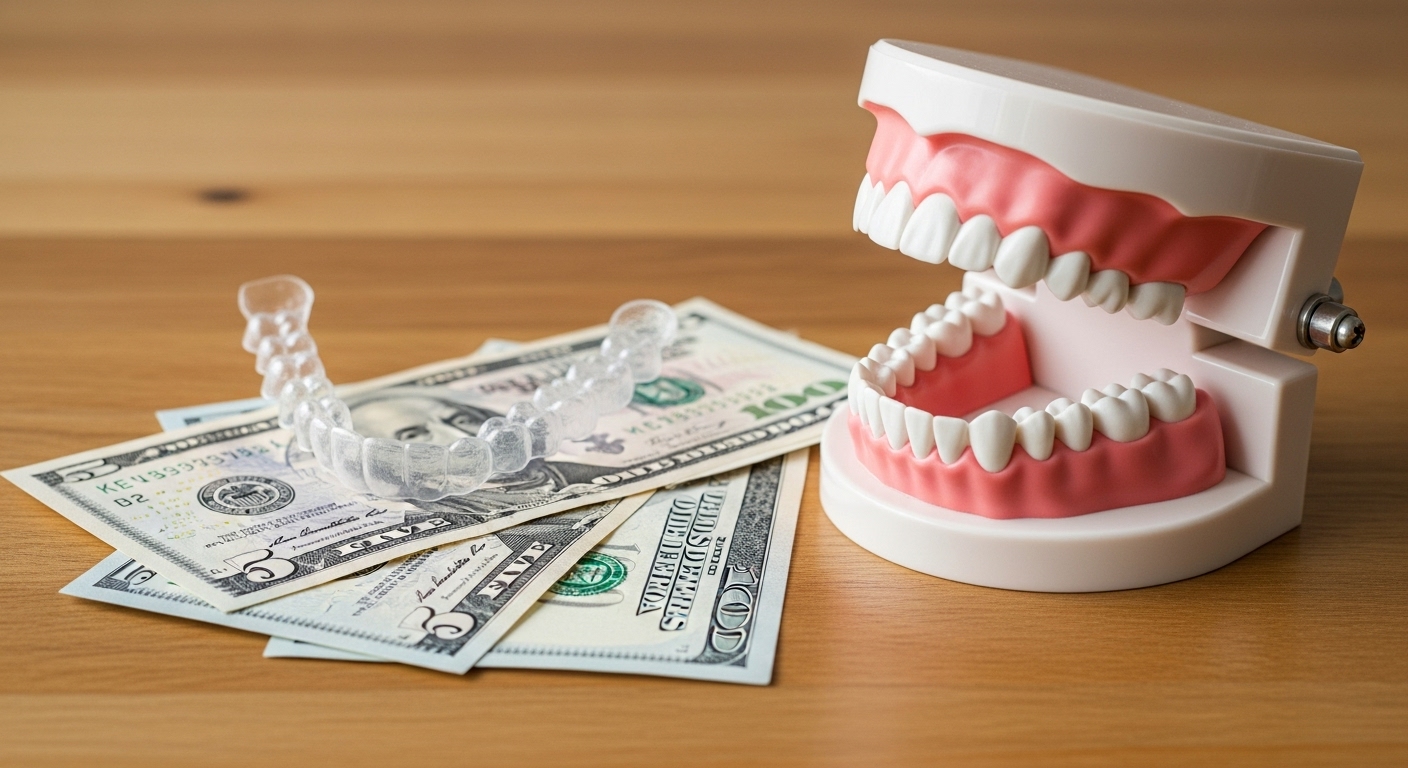
How Much Do Braces Cost in 2026? Prices, Insurance, and Payment Options
Orthodontic treatment is one of the largest out-of-pocket dental expenses most families will encounter. In 2026, the average American pays between $3,000 and $10,000 for braces depending on the type of appliance, the complexity of the case, and geographic location. With roughly 4 million Americans wearing braces at any given time and an additional 1.5 million adults starting treatment each year, understanding the true cost -- and how to manage it -- is essential.
This guide provides a detailed breakdown of orthodontic costs across all major appliance types, explains how dental insurance works for braces, and outlines practical financial strategies to make treatment more affordable.
Average Cost of Braces by Type in 2026
The type of appliance you choose has the single largest impact on price. Here is a comprehensive comparison of every major option available in the U.S. market.
| Appliance Type | Cost Range (2026) | Treatment Duration | Visibility | Best For |
|---|---|---|---|---|
| Traditional Metal Braces | $3,000 - $7,500 | 18 - 36 months | Visible | All case types, most affordable |
| Ceramic Braces | $4,000 - $8,500 | 18 - 36 months | Semi-discreet | Adults wanting less visible brackets |
| Lingual Braces | $8,000 - $13,000 | 18 - 36 months | Invisible | Patients requiring invisibility with complex cases |
| Invisalign (in-office) | $3,500 - $9,000 | 6 - 24 months | Nearly invisible | Mild to moderate cases, adults |
| At-Home Aligners (Byte, etc.) | $1,900 - $2,500 | 4 - 8 months | Nearly invisible | Minor cosmetic corrections only |
| Self-Ligating Braces (Damon) | $4,000 - $8,000 | 12 - 30 months | Visible (clear option available) | Patients wanting fewer office visits |
Traditional Metal Braces
Metal braces remain the most widely used orthodontic appliance and are the most cost-effective option for treating every level of complexity, from simple spacing issues to severe malocclusion. Modern metal brackets are significantly smaller, more comfortable, and more efficient than those used even a decade ago. Heat-activated archwires move teeth more quickly and with less discomfort. At $3,000 to $7,500, they represent the best value for comprehensive treatment.
Ceramic Braces
Ceramic braces use tooth-colored or clear brackets that blend with your natural enamel, making them far less noticeable than metal. They work identically to metal braces but cost 20-30% more due to the higher material cost. The main trade-off is that ceramic brackets are slightly more fragile and can stain if not properly maintained. They are popular among adult patients and image-conscious teens.
Lingual Braces
Lingual braces are bonded to the back (tongue-side) of the teeth, making them completely invisible from the front. They are custom-fabricated for each patient, which explains their premium cost of $8,000 to $13,000. The adjustment period can be challenging -- patients often report temporary speech difficulties and tongue irritation. Only a small number of orthodontists offer this technique, as it requires specialized training.
Clear Aligners: Invisalign and Alternatives
Invisalign pioneered the clear aligner category and remains the market leader. Treatment involves wearing a series of custom-made, removable plastic trays that gradually shift teeth into position. Each set of aligners is worn for 1 to 2 weeks before advancing to the next set. In-office Invisalign treatment costs $3,500 to $9,000 depending on the tier (Lite, Moderate, Comprehensive).
"Clear aligners have transformed adult orthodontics. About 60% of my adult patients now choose aligners over traditional braces, primarily for the convenience and aesthetics. However, not every case is suitable -- complex bite issues often still require brackets and wires."
Clear Aligners Market Breakdown for 2026
The aligner market has diversified significantly, with options ranging from premium in-office treatment to budget direct-to-consumer (DTC) brands.
| Brand | Cost (2026) | Supervision | Case Complexity | Insurance Accepted |
|---|---|---|---|---|
| Invisalign Comprehensive | $4,500 - $9,000+ | In-office orthodontist | Mild to complex | Yes |
| Invisalign Lite/Express | $3,000 - $5,500 | In-office orthodontist | Mild to moderate | Yes |
| Byte | $1,999 - $2,399 | Remote monitoring | Minor cosmetic only | No (HSA/FSA eligible) |
| NewSmile | $1,295 - $1,895 | Remote monitoring | Minor cosmetic only | No (HSA/FSA eligible) |
| CandidPro (dentist-directed) | $2,500 - $5,000 | In-office dentist | Mild to moderate | Varies |
Warning: At-home aligner companies do not provide in-person dental examinations, X-rays, or hands-on adjustments. The American Association of Orthodontists (AAO) cautions that moving teeth without proper diagnosis and supervision can lead to irreversible damage including root resorption, bite problems, and tooth loss. Always get an in-person evaluation before starting any orthodontic treatment.
Key Factors That Affect Your Total Cost
The price range for braces is wide because several variables influence the final bill. Understanding these factors helps you anticipate costs and negotiate more effectively.
- Case complexity: A simple spacing or crowding case may take 12 months and cost 20-30% below average. Complex cases involving jaw misalignment, severe crowding, or surgical orthodontics can exceed the top of the range and extend beyond 30 months.
- Provider type: Board-certified orthodontists (who complete 2-3 years of specialty training beyond dental school) typically charge 10-20% more than general dentists who offer orthodontic services. The extra cost generally reflects deeper expertise, especially for complex cases.
- Geographic location: Treatment in metropolitan areas like New York City, Los Angeles, San Francisco, or Boston costs significantly more than in smaller cities or rural areas. The cost of living, rent, and labor directly affect practice overhead.
- Treatment inclusions: Some quotes are all-inclusive (covering consultations, X-rays, appliance, adjustments, retainers, and emergency visits), while others break out each component separately. Always ask for a detailed breakdown to compare apples to apples.
- Age of patient: While braces cost the same regardless of age, adult treatment is often more complex due to existing dental work (crowns, bridges, implants) and bone density changes, which can extend treatment duration and increase cost.
"I always tell patients to get at least two or three consultations before committing to treatment. Most orthodontists offer free initial consultations, and comparing treatment plans and fees can save you thousands of dollars."
Dental Insurance Coverage for Braces
Dental insurance can significantly reduce out-of-pocket costs for braces, but coverage varies widely. Here is what to expect.
Coverage for Children Under 19
Most dental insurance plans that include orthodontic benefits cover children under 19. The typical structure is 50% coinsurance up to a lifetime orthodontic maximum of $1,500 to $3,000. This means if your child's treatment costs $5,000 and your plan has a $2,000 lifetime ortho max, insurance would cover $2,000 and you would pay $3,000 out of pocket. Under the Affordable Care Act (ACA), pediatric dental coverage is considered an essential health benefit, and some marketplace plans include orthodontic coverage for children.
Coverage for Adults
Adult orthodontic coverage is less common but increasingly available on employer-sponsored and individual dental plans. Look for plans that specifically list "adult orthodontic benefits." The coverage structure is similar to children's coverage (50% up to a lifetime max), though the maximum may be lower. If your current plan does not include orthodontics, consider upgrading during your next open enrollment period -- just be aware that many plans impose a 12-month waiting period for orthodontic benefits.
Good to Know: Some employers offer supplemental orthodontic riders that can be added to your existing dental plan for an additional monthly premium of $15 to $40. These riders typically add $1,000 to $2,000 in lifetime orthodontic benefits and can pay for themselves within the first year of treatment.
How to Pay for Braces: Financial Strategies
Even with insurance, braces represent a significant expense. These strategies can help you manage the cost.
HSA and FSA Accounts
Orthodontic treatment is a qualified medical expense under IRS rules, which means you can pay with pre-tax dollars from a Health Savings Account (HSA) or Flexible Spending Account (FSA). This effectively gives you a 25-35% discount depending on your tax bracket. For example, if you are in the 24% federal tax bracket and pay $5,000 for braces with HSA funds, you save approximately $1,200 in taxes. If your employer offers a dependent care FSA, you can also use it for your child's orthodontic expenses.
In-Office Payment Plans
Most orthodontist offices offer in-house payment plans that spread the total cost over the duration of treatment (typically 18-24 months) with no interest. A common structure is a down payment of $500 to $1,500 followed by monthly installments of $150 to $300. Always ask about this option -- it is one of the most patient-friendly ways to manage costs.
Third-Party Financing
Companies like CareCredit, Lending Club, and Proceed Finance offer medical financing with promotional interest-free periods (typically 6 to 24 months). If you can pay off the balance within the promotional period, this is essentially an interest-free loan. However, if the balance remains after the promotional period ends, interest rates of 14-27% APR can apply retroactively. Read the terms carefully before committing.
Good to Know: Some orthodontists offer a 5-10% discount for paying the full treatment fee upfront. If you have the savings or HSA balance available, this can save $300 to $700 on a typical treatment plan.
Retainers: The Hidden Long-Term Cost
After braces come off, retainers are essential to prevent teeth from shifting back toward their original positions. Many patients underestimate this ongoing expense.
- Fixed retainers (bonded wires): A thin wire is bonded behind your front teeth permanently. Cost: typically included in treatment or $250 - $500 per arch if billed separately. Requires periodic dental monitoring.
- Removable retainers (Hawley or clear): Clear retainers similar to Invisalign trays (Vivera retainers) or traditional wire-and-acrylic Hawley retainers. Cost: $150 - $500 per retainer. These need replacement every 1-3 years.
Over a lifetime, retainer replacement costs can total $1,000 to $3,000. Factor this into your total orthodontic budget from the beginning. Some orthodontists include the first set of retainers in the treatment fee, so ask about this when comparing quotes.
Warning: Skipping retainer wear is the number one cause of orthodontic relapse. Studies show that teeth can begin shifting within weeks of stopping retainer use, potentially undoing months or years of treatment. The American Association of Orthodontists recommends wearing retainers as directed for life.
Frequently Asked Questions
Are braces cheaper at a dental school?
Yes. Dental schools and orthodontic residency programs offer treatment at 30-50% below private practice rates. Treatment is performed by dental students or orthodontic residents under the direct supervision of licensed faculty. The trade-offs include longer appointment times, a less flexible schedule, and potentially longer overall treatment duration. Waitlists can also be several months long. Check with programs like NYU, UCLA, UPenn, or your nearest dental school for current pricing.
Is Invisalign more expensive than braces?
Invisalign and traditional metal braces are increasingly priced in similar ranges for comparable case complexity. Simple Invisalign cases (Lite/Express) can be less expensive than metal braces, while comprehensive Invisalign cases may cost slightly more. The real cost driver is case complexity, not the brand. Ask your orthodontist for quotes on both options to compare directly.
Can I get braces with no insurance?
Absolutely. Many patients pay for braces entirely out of pocket. Strategies include using an HSA/FSA for tax savings (25-35% effective discount), choosing an in-office payment plan (interest-free), seeking treatment at a dental school (30-50% less), or applying for third-party financing. Some orthodontists also offer a cash-pay discount of 5-10%.
Are at-home aligners worth the lower cost?
At-home aligners can be appropriate for very minor cosmetic adjustments such as slight crowding or small gaps. However, they are not suitable for bite correction, moderate-to-severe crowding, or any case involving jaw alignment issues. The lack of in-person supervision and diagnostic imaging means underlying problems may go undetected. The AAO strongly recommends an in-person evaluation before any orthodontic treatment. The lower upfront cost may become much more expensive if results are poor and corrective treatment is needed.
Sources
- American Association of Orthodontists. Economics of Orthodontics Survey 2025. AAOinfo.org.
- American Dental Association. Dental Benefits and Orthodontic Coverage: A Guide for Consumers. ADA.org, 2025.
- Centers for Medicare & Medicaid Services. Marketplace Plan Orthodontic Benefits for Children. CMS.gov, 2025.
- Journal of Clinical Orthodontics. Cost Analysis of Orthodontic Treatment Modalities in the United States. JCO, Vol. 59, 2025.
- American Association of Orthodontists. Consumer Alert: At-Home Teeth Straightening. AAOinfo.org, 2025.
- IRS Publication 502. Medical and Dental Expenses: Orthodontic Treatment as Qualified Expense. IRS.gov, 2025.
- Journal of Dental Research. Long-Term Stability and Retention After Orthodontic Treatment: 10-Year Follow-Up. JDR, Vol. 104, 2025.
- National Association of Dental Plans. Orthodontic Coverage Trends in Employer-Sponsored Plans. NADP.org, 2025.