
Contents
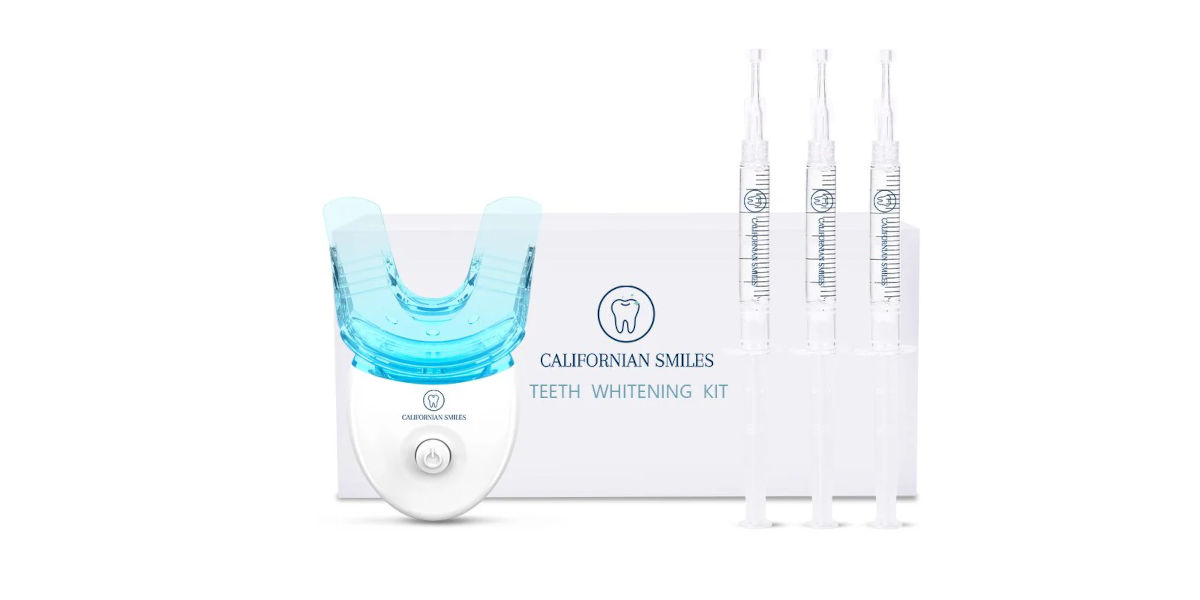
Best Teeth Whitening Kits in 2026: Expert Reviews, Comparisons, and Buying Guide
The at-home teeth whitening market in the United States is a $3.5 billion industry that continues to grow at approximately 6% annually, according to Grand View Research. With dozens of whitening kits available at drugstores, online retailers, and directly from dental brands, choosing the right product can be overwhelming. Not all kits are created equal -- ingredients, concentrations, application methods, and results vary dramatically.
This comprehensive guide cuts through the marketing to help you choose a whitening kit that is safe, effective, and worth your money. We review the top five products available in the US market, compare at-home versus professional whitening, and provide expert guidance on safe use from American dental professionals.
How At-Home Whitening Kits Work
All effective teeth whitening products work through the same basic chemistry: a peroxide-based bleaching agent penetrates the tooth enamel and breaks down stain-causing chromogens (colored molecules) through an oxidation reaction. The two primary bleaching agents used in at-home kits are:
- Hydrogen peroxide (HP): The active bleaching agent. At-home kits in the US typically contain 3-10% hydrogen peroxide. Professional in-office treatments use 25-40%.
- Carbamide peroxide (CP): A compound that breaks down into hydrogen peroxide and urea when applied to teeth. A 10% carbamide peroxide gel is equivalent to approximately 3.5% hydrogen peroxide. Carbamide peroxide releases peroxide more slowly, making it gentler for sensitive teeth.
Some newer products use peroxide-free whitening agents such as PAP (phthalimidoperoxycaproic acid), activated charcoal, or sodium bicarbonate. While these may produce mild surface stain removal, the ADA notes that only peroxide-based products can achieve true intrinsic whitening -- lightening the actual color of the tooth structure beneath the surface.
"The science behind teeth whitening is well-established. Hydrogen peroxide and carbamide peroxide are the only ingredients proven to whiten teeth beyond the surface level. When patients ask me about charcoal or other 'natural' whitening products, I explain that these may remove some surface stains but cannot change the underlying tooth color the way peroxide can."
Types of Whitening Products Compared
At-home whitening products come in several formats, each with different strengths and limitations:
| Product Type | Active Ingredient | Typical Price | Expected Results | Sensitivity Risk |
|---|---|---|---|---|
| Whitening strips | 6-14% HP | $25-$60 | 3-6 shades lighter | Moderate |
| Tray + gel kits | 10-22% CP | $30-$100 | 2-5 shades lighter | Low-Moderate |
| LED tray kits | 6-12% HP or CP | $40-$150 | 3-8 shades lighter | Low-Moderate |
| Whitening pens | 6-10% HP | $15-$35 | 1-2 shades lighter | Low |
| Whitening toothpaste | Mild abrasives, 1-2% HP | $5-$15 | Surface stain removal only | Very Low |
| Peroxide-free strips | PAP, coconut oil, etc. | $20-$45 | 1-3 shades lighter | Very Low |
Top 5 Teeth Whitening Kits for 2026
After reviewing clinical evidence, user feedback from over 50,000 verified purchases, and consulting with dental professionals, here are our top five recommendations for at-home teeth whitening in 2026:
1. Crest 3D Whitestrips Professional Effects
Price: $46 (20 treatments) | Active: 10% hydrogen peroxide | Duration: 30 minutes/day for 20 days
Crest 3D Whitestrips remain the gold standard in at-home whitening and are the only whitening strips to carry the ADA Seal of Acceptance. Clinical studies have demonstrated up to 5-7 shades of improvement over the 20-day treatment period. The Advanced Seal technology keeps strips firmly in place during use, and the 10% hydrogen peroxide concentration delivers professional-level results. This is the most extensively studied at-home whitening product on the market, with over 30 published clinical trials supporting its safety and efficacy.
2. AuraGlow Teeth Whitening Kit
Price: $50 (10 treatments) | Active: 35% carbamide peroxide | Duration: 30 minutes/day for 10 days
AuraGlow offers one of the best value LED tray kits on the market. The kit includes a universal-fit mouth tray, blue LED accelerator light, and two gel syringes with 35% carbamide peroxide (equivalent to approximately 12% hydrogen peroxide). Users consistently report visible whitening after just 2-3 treatments. The LED light is powered via USB, making it convenient to use while working or watching television. The higher concentration gel delivers faster results but may cause temporary sensitivity in some users.
3. Lumineux Whitening Strips
Price: $35 (21 treatments) | Active: Peroxide-free (coconut oil, sage oil, lemon peel oil) | Duration: 30 minutes/day for 21 days
Lumineux is the top choice for people who want to avoid peroxide entirely. Developed by a dentist and backed by clinical studies published in peer-reviewed journals, Lumineux uses a proprietary blend of natural ingredients to remove stains without bleaching. While it will not achieve the dramatic shade changes of peroxide-based products (expect 1-3 shades), it produces zero sensitivity and is safe for daily use. This is an excellent option for people with existing dental work, sensitive teeth, or those who prefer natural products.
4. SmileDirectClub Bright On Whitening Kit
Price: $38 (8 treatments) | Active: Hydrogen peroxide | Duration: 5 minutes/day for 8 days
SmileDirectClub's Bright On kit stands out for its ultra-short application time of just 5 minutes per session. The kit uses a proprietary LED tray with hydrogen peroxide gel that delivers quick whitening with minimal time commitment. While the results may be less dramatic than longer-duration products (2-4 shades typically), the convenience factor is unmatched. The rechargeable LED tray lasts through the full treatment course and can be reused with gel refills.
5. Colgate Optic White ComfortFit LED Kit
Price: $90 (10 treatments) | Active: 9% hydrogen peroxide | Duration: 10 minutes/day for 10 days
Colgate's premium offering features a custom-fit LED tray that molds to your teeth for even gel distribution. The 9% hydrogen peroxide gel is applied directly to the tray, and the blue LED light activates the whitening process. Clinical testing showed up to 6 shades of whitening over the 10-day treatment period. The tray design is more comfortable than universal-fit alternatives, and the short 10-minute treatment time makes it practical for busy schedules. Backed by Colgate's extensive dental research, this is a solid premium choice.
Good to Know: The ADA Seal of Acceptance on a whitening product means it has been independently evaluated and found to be safe and effective according to ADA standards. As of 2026, Crest 3D Whitestrips is the only at-home whitening product to carry this seal. However, many other reputable products undergo their own clinical testing and are considered safe by dental professionals -- the absence of the ADA Seal does not mean a product is unsafe.
At-Home vs. Professional Whitening: Cost and Results
Understanding the difference between at-home and professional whitening helps you set realistic expectations and make an informed investment. Here is a detailed comparison:
| Factor | At-Home Kits | Professional In-Office | Dentist Take-Home Trays |
|---|---|---|---|
| Cost | $25-$150 | $500-$1,200 | $300-$600 |
| Peroxide concentration | 3-14% HP / 10-35% CP | 25-40% HP | 10-22% CP |
| Treatment time | 1-3 weeks | 1-2 hours (1 visit) | 1-4 weeks |
| Expected results | 3-6 shades | 5-10 shades | 4-8 shades |
| Dental supervision | None | Full supervision | Initial fitting + guidance |
| Insurance coverage | Not covered | Not covered (cosmetic) | Not covered (cosmetic) |
"For most patients seeking whiter teeth, I recommend starting with a quality at-home kit like Crest Whitestrips. If they want more dramatic results, we can discuss in-office treatment or custom take-home trays. The custom trays are often the best compromise -- they use dentist-supervised concentrations with the convenience of home application and produce more even results than one-size-fits-all strips."
How to Use a Whitening Kit Safely
Following proper usage guidelines is essential for achieving good results without damaging your teeth or gums. Here are the key safety rules recommended by the ADA:
- Read all instructions carefully before starting treatment. Each product has specific guidelines for application time and frequency.
- Do not exceed recommended application times. Leaving whitening gel on longer does not produce better results -- it increases sensitivity and irritation risk.
- Have a dental checkup first. Ensure you do not have untreated cavities, cracked teeth, or active gum disease before whitening. Peroxide can enter through cavities and damage the tooth pulp.
- Avoid contact with gums. If using tray-based systems, do not overfill trays. Excess gel on gum tissue causes irritation and white spots (chemical burns that resolve within hours).
- Manage sensitivity proactively. If you experience sensitivity, use a desensitizing toothpaste (containing potassium nitrate) for two weeks before and during treatment.
- Do not use whitening products daily for extended periods. Follow the recommended treatment course and allow your teeth to rest between cycles.
Warning: Never use whitening products that contain more than 10% hydrogen peroxide without dental supervision. In the US, over-the-counter products are limited to a maximum of approximately 10% hydrogen peroxide, while higher concentrations are available only through dental professionals. Using unregulated or imported products with excessively high peroxide levels can cause severe enamel damage, chemical burns to the gums, and permanent tooth sensitivity.
Who Should Avoid Teeth Whitening
While teeth whitening is safe for most adults, certain individuals should avoid at-home whitening products or consult their dentist before use:
- Children and teens under 16: The tooth pulp is larger in younger teeth, making them more susceptible to peroxide irritation. The ADA does not recommend whitening for children.
- Pregnant or nursing women: While there is no evidence of harm, most dentists recommend postponing elective whitening during pregnancy and breastfeeding as a precaution.
- People with untreated cavities or gum disease: Peroxide can penetrate cavities and cause severe pain. Gum disease must be treated first.
- People with extensive dental restorations: Crowns, veneers, bonding, and fillings do not respond to whitening agents. This can create uneven coloring.
- Individuals with intrinsic staining from tetracycline: These deep stains respond poorly to at-home whitening and typically require professional treatment or veneers.
- People with extreme tooth sensitivity: If you already experience significant sensitivity, whitening may exacerbate it. Consult your dentist first.
Good to Know: Teeth whitening is considered a cosmetic procedure and is not covered by dental insurance in the United States. However, it is one of the most affordable cosmetic dental treatments. Compare the $30-$150 cost of at-home kits to $800-$2,500 for porcelain veneers per tooth or $500-$1,200 for professional in-office whitening.
Maintaining Your Results
Whitening results are not permanent. How long your white teeth last depends largely on your habits after treatment. Follow these guidelines to maximize longevity:
- Avoid staining foods and beverages for at least 48 hours after completing treatment (coffee, red wine, tea, berries, tomato sauce, soy sauce, curry).
- Use a straw when drinking staining beverages to minimize tooth contact.
- Brush twice daily with a whitening toothpaste to maintain surface brightness.
- Rinse with water after consuming staining foods or drinks when brushing is not possible.
- Avoid tobacco: Smoking and chewing tobacco are among the fastest ways to re-stain teeth.
- Schedule touch-up treatments every 3-6 months using strips or trays to maintain your shade.
- Get regular dental cleanings every six months to remove surface stains and tartar buildup.
With proper maintenance, at-home whitening results typically last 6-12 months before a touch-up is needed. Professional whitening results may last 1-3 years with diligent care.
Frequently Asked Questions
Are teeth whitening kits safe for enamel?
Yes, when used as directed, ADA-accepted and reputable whitening products are safe for tooth enamel. Multiple clinical studies have demonstrated that hydrogen peroxide concentrations of 10% or less and carbamide peroxide concentrations of 35% or less do not cause clinically significant enamel damage when used according to manufacturer guidelines. The ADA's Council on Scientific Affairs has reviewed the evidence and concluded that properly formulated whitening products are safe for consumer use.
How white can at-home kits make your teeth?
Most quality at-home whitening kits can lighten teeth by 3-8 shades on the VITA shade guide, depending on the product concentration, application time, and the type of staining present. Extrinsic stains (from coffee, tea, wine, and tobacco) respond best to whitening. Intrinsic stains (from medications, trauma, or excessive fluoride exposure) are more resistant and may require professional treatment. Your natural tooth color also plays a role -- teeth with a yellow undertone typically whiten more effectively than those with gray undertones.
How long do whitening results last?
At-home whitening results typically last 6-12 months, though this varies based on diet, tobacco use, oral hygiene habits, and individual factors. Coffee and wine drinkers may notice re-staining within 3-4 months. Non-smokers with good oral hygiene who limit staining beverages can maintain results for up to a year. Periodic touch-up treatments (using strips or trays for a few days every 3-6 months) are the most effective way to maintain long-term brightness.
Can you whiten teeth with braces or dental work?
You should not whiten teeth while wearing braces, as the whitening agent cannot reach the area beneath the brackets, resulting in uneven coloring when braces are removed. Wait until after braces are removed and then whiten all teeth uniformly. Dental restorations (crowns, veneers, bonding, fillings) do not respond to whitening agents and will remain their original shade. If you have visible restorations on front teeth, consult your dentist about whether to whiten first and then replace the restorations to match, or to consider alternative cosmetic options.
Is LED light whitening effective or just marketing?
The effectiveness of LED lights in at-home whitening kits is a topic of scientific debate. Some studies suggest that blue LED light can accelerate the breakdown of peroxide, potentially speeding up the whitening process. However, a 2023 systematic review in the Journal of Dentistry found that the evidence for LED enhancement in at-home products is "limited and inconsistent." The whitening gel itself does the heavy lifting -- the LED light may provide a modest boost. Choose a kit primarily based on its gel formulation and concentration, not the presence of an LED light.
Sources
- 1. American Dental Association. "Tooth Whitening/Bleaching: Treatment Considerations for Dentists and Their Patients." ADA.org, revised 2025.
- 2. Grand View Research. "Teeth Whitening Market Size & Share Report, 2024-2030." 2024.
- 3. Carey CM. "Tooth whitening: what we now know." Journal of Evidence-Based Dental Practice, 2014;14(Suppl):70-76.
- 4. ADA Council on Scientific Affairs. "Tooth Whitening and Bleaching: A Review of the Science." ADA Professional Product Review, 2023.
- 5. Maran BM, et al. "Over-the-counter whitening agents: a concise review." Dental Clinics of North America, 2022;66(3):413-437.
- 6. Niessen LC. "Tooth bleaching: at-home products and professional options." Journal of the American Dental Association, 2024;155(2):108-115.
- 7. Alqahtani MQ. "Tooth-bleaching procedures and their controversial effects: A literature review." Saudi Dental Journal, 2014;26(2):33-46.
- 8. Gonalves RS, et al. "Effect of LED light on tooth bleaching: A systematic review and meta-analysis." Journal of Dentistry, 2023;128:104360.