
Contents
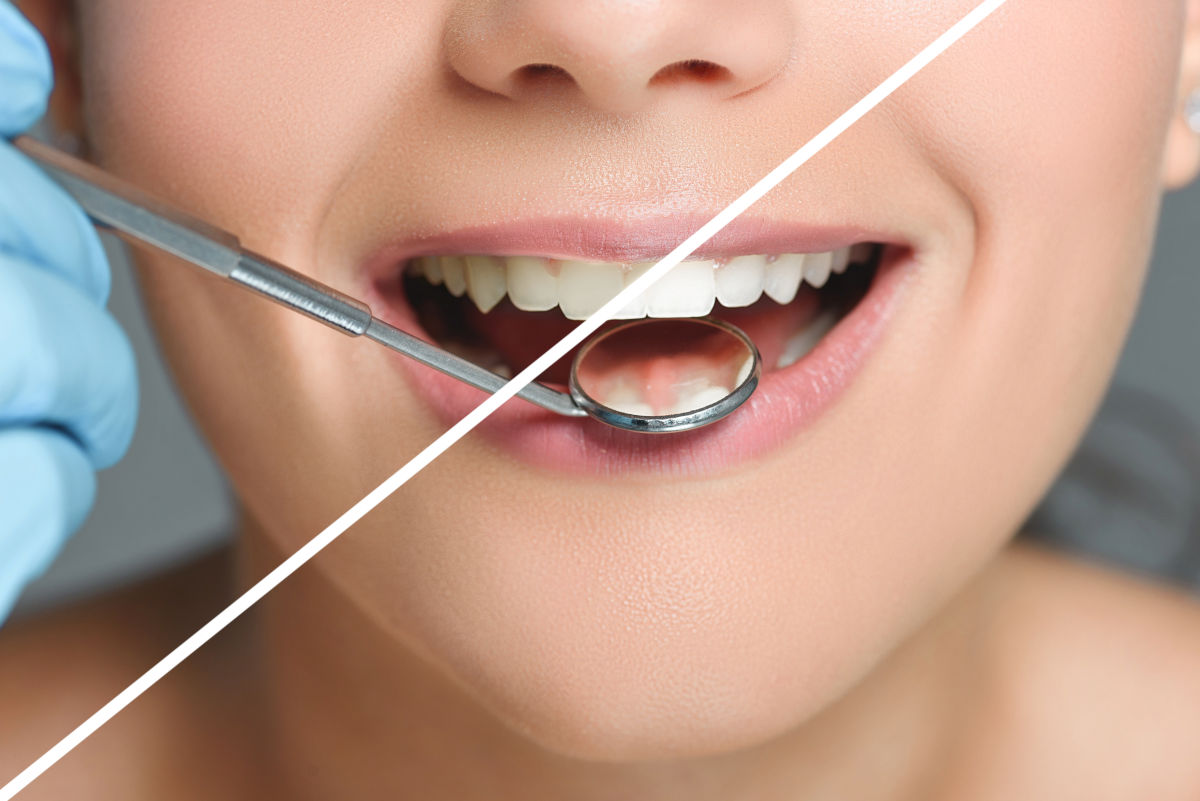
Professional Teeth Whitening in 2026: Costs, Methods, and Results Explained
A bright, white smile is consistently ranked as one of the most desired cosmetic improvements among American adults. According to the American Academy of Cosmetic Dentistry, teeth whitening remains the most commonly requested cosmetic dental procedure in the United States, with millions of treatments performed annually. But with so many options available in 2026 -- from drugstore strips to professional in-office laser treatments -- it can be difficult to know which approach delivers the safest, most effective, and longest-lasting results. This guide provides a thorough, evidence-based overview of professional teeth whitening, including how it works, what it costs, who qualifies, and how to maximize your investment.
How Professional Teeth Whitening Works
All teeth whitening treatments, whether performed in a dental office or at home, rely on the same fundamental chemistry. A bleaching agent -- most commonly hydrogen peroxide or carbamide peroxide -- is applied to the tooth surface, where it penetrates the enamel and reaches the dentin layer underneath. The peroxide breaks down into oxygen radicals that react with the pigmented organic molecules responsible for discoloration, effectively breaking them apart and making the tooth appear lighter.
The key difference between professional and over-the-counter whitening is the concentration of the bleaching agent. Dentists in the United States are authorized to use hydrogen peroxide concentrations of 25% to 40%, far higher than the 3% to 10% found in consumer products. This higher concentration, combined with professional application techniques and sometimes light or laser activation, allows in-office whitening to produce more dramatic results in a single session.
It is important to understand that whitening only affects natural tooth structure. Existing dental restorations such as crowns, veneers, fillings, and bonding will not change color with bleaching agents. Your dentist will evaluate your restorations during the initial assessment and discuss whether any will need to be replaced to match your new shade after whitening.
"When performed under professional supervision, teeth whitening is one of the safest and most conservative cosmetic dental procedures available. The key is proper patient selection and using evidence-based protocols."
In-Office vs. Take-Home vs. OTC Whitening
Patients today have three main categories of whitening to choose from. Each has its own advantages, limitations, and ideal use cases. The following comparison breaks down the most important differences:
| Factor | In-Office (Professional) | Take-Home (Dentist-Dispensed) | OTC (Over-the-Counter) |
|---|---|---|---|
| Peroxide Concentration | 25% - 40% hydrogen peroxide | 10% - 22% carbamide peroxide | 3% - 10% hydrogen peroxide |
| Average Cost | $500 - $1,500 | $250 - $500 | $20 - $100 |
| Treatment Duration | 60 - 90 minutes (1 visit) | 30 - 60 min/day for 1 - 3 weeks | Varies (days to weeks) |
| Shade Improvement | 3 - 8 shades | 2 - 6 shades | 1 - 3 shades |
| Professional Supervision | Yes (full) | Yes (initial + follow-up) | No |
| Longevity of Results | 1 - 3 years | 1 - 2 years | 3 - 6 months |
Good to Know: Many dental practices in 2026 offer a combination approach -- an initial in-office whitening session followed by a custom take-home tray kit for maintenance touch-ups. This hybrid strategy often provides the most cost-effective, long-lasting results.
How Much Does Professional Whitening Cost in 2026
Professional teeth whitening is considered a cosmetic procedure by dental insurance carriers, which means it is almost never covered by standard dental plans. However, the investment is modest compared to other cosmetic dental treatments like veneers or crowns, and the results can be dramatic.
In 2026, you can expect the following cost ranges across the United States:
- In-office whitening (Zoom, KoR, BriteSmile): $500 to $1,500 per session
- Dentist-dispensed take-home trays: $250 to $500 for the kit (includes custom trays and professional-grade gel)
- Combination package (in-office + take-home): $600 to $1,200
Prices vary by region, with practices in urban centers and coastal cities typically charging at the higher end of these ranges. Some practices offer whitening specials for new patients or bundle whitening with other cosmetic services at a reduced rate.
| Whitening Method | 2026 Average Cost | Insurance Coverage |
|---|---|---|
| In-Office (Zoom, KoR) | $500 - $1,500 | Not covered (cosmetic) |
| Dentist Take-Home Trays | $250 - $500 | Not covered (cosmetic) |
| OTC Whitening Strips | $20 - $60 | Not applicable |
| OTC LED Kit | $50 - $100 | Not applicable |
The In-Office Whitening Procedure Step by Step
An in-office professional whitening appointment typically lasts between 60 and 90 minutes. Here is exactly what to expect during the procedure:
- Oral Examination: The dentist examines your teeth and gums, identifies any existing restorations, records your current shade using a standardized shade guide, and takes before-photos for comparison.
- Professional Cleaning: A thorough dental cleaning removes surface plaque and tartar, ensuring the whitening gel can penetrate the tooth surface evenly and effectively.
- Soft Tissue Protection: A liquid rubber dam or protective gel is applied to the gums, lips, and inner cheeks to shield them from the high-concentration bleaching agent. A cheek retractor is placed to keep the lips away from the teeth.
- Whitening Gel Application: The professional-strength hydrogen peroxide gel is carefully applied to the front surfaces of the teeth. Depending on the system used, a specialized LED or laser light may be directed at the teeth to accelerate the chemical reaction.
- Multiple Cycles: The gel is typically left in place for 15 to 20 minutes, then removed and reapplied. Most protocols include two to four cycles in a single session.
- Final Assessment: The dentist removes the final application, rinses the teeth, removes the gum protection, and records the new shade. After-photos are taken for comparison.
"The most common mistake patients make is skipping the professional cleaning before whitening. Surface deposits act as a barrier and can lead to uneven results. Starting with clean teeth is non-negotiable for optimal whitening outcomes."
Who Should and Should Not Get Teeth Whitening
Professional whitening is safe and effective for the majority of adults with healthy teeth and gums. However, there are specific situations where whitening is contraindicated or should be approached with caution:
- Contraindicated: Pregnant or breastfeeding women, children under 16, patients with active gum disease or untreated cavities, individuals with known hydrogen peroxide allergies.
- Use caution: Patients with significant enamel erosion, extensive exposed root surfaces, teeth with deep intrinsic staining (such as tetracycline stains), or a high number of anterior restorations that will not whiten.
Warning: Over-the-counter whitening products used excessively or improperly can cause irreversible enamel damage and severe tooth sensitivity. Always follow product instructions and consult your dentist before beginning any whitening regimen, especially if you have existing dental work or sensitivity.
Your dentist will conduct a thorough evaluation before recommending whitening and may suggest alternative cosmetic treatments -- such as veneers or bonding -- if whitening alone will not achieve your desired results.
Maintaining Your Results After Whitening
The longevity of your whitening results depends largely on your daily habits. Teeth will gradually pick up new stains over time, but the following practices can help maintain your brighter shade for as long as possible:
- Avoid or limit staining foods and beverages for the first 48 hours after treatment. Coffee, tea, red wine, dark berries, tomato sauce, and soy sauce are among the most common culprits.
- Quit or reduce tobacco use. Smoking and chewing tobacco are significant contributors to rapid re-staining.
- Practice diligent oral hygiene -- brush at least twice daily, floss once daily, and use an ADA-approved fluoride mouthwash.
- Drink staining beverages through a straw to minimize contact with the front surfaces of your teeth.
- Schedule touch-up treatments every 6 to 12 months using your dentist-dispensed take-home trays, or ask about annual in-office refresher sessions.
- Keep up with professional cleanings every six months to remove surface stains before they set in.
Good to Know: Whitening toothpastes with the ADA Seal of Acceptance can help maintain results between treatments, but they will not produce the same degree of whitening as professional products. Look for formulas containing hydrogen peroxide or carbamide peroxide rather than those that rely solely on abrasives.
Potential Side Effects and How to Manage Them
The two most commonly reported side effects of professional teeth whitening are tooth sensitivity and gingival (gum) irritation. Both are typically mild and temporary, resolving within a few days after treatment.
To minimize discomfort:
- Use a desensitizing toothpaste containing potassium nitrate for two weeks before and after whitening.
- Avoid extremely hot or cold foods and beverages for 24 to 48 hours after treatment.
- Ask your dentist about applying a fluoride varnish or desensitizing agent immediately after the whitening session.
- Take an over-the-counter anti-inflammatory such as ibuprofen if sensitivity becomes bothersome.
Good to Know: The KoR whitening system, which uses a proprietary refrigerated gel and custom-sealed trays, is specifically designed to minimize sensitivity while still achieving dramatic results. It is often recommended for patients who have experienced sensitivity with other whitening methods.
Sources
- American Dental Association (ADA). "Tooth Whitening/Bleaching: Treatment Considerations for Dentists and Their Patients." ADA Council on Scientific Affairs, 2023.
- American Academy of Cosmetic Dentistry (AACD). "State of the Cosmetic Dentistry Industry 2025." AACD Publications, 2025.
- Carey, C.M. "Tooth Whitening: What We Now Know." Journal of Evidence-Based Dental Practice, vol. 14, Supplement, 2014, pp. 70-76.
- Joiner, A., and Luo, W. "Tooth Colour and Whiteness: A Review." Journal of Dentistry, vol. 67, Supplement, 2017, pp. S11-S20.
- Li, Y., and Greenwall, L. "Safety Issues of Tooth Whitening Using Peroxide-Based Materials." British Dental Journal, vol. 215, no. 1, 2013, pp. 29-34.
- Kwon, S.R., and Wertz, P.W. "Review of the Mechanism of Tooth Whitening." Journal of Esthetic and Restorative Dentistry, vol. 27, no. 5, 2015, pp. 240-257.
- Consumer Reports. "Teeth Whitening Products and Procedures Comparison." Consumer Reports Health, 2025.
Frequently Asked Questions
Is professional teeth whitening safe for enamel?
Yes, when performed according to established clinical guidelines, professional whitening does not cause permanent damage to tooth enamel. Studies published in the Journal of the American Dental Association have confirmed that the use of ADA-approved whitening agents at recommended concentrations and exposure times is safe for enamel integrity. Temporary changes in enamel surface texture may occur but remineralize naturally within days.
How many shades whiter can I expect to get?
Most patients achieve an improvement of 3 to 8 shades on the VITA shade guide after a single in-office whitening session. The exact degree of improvement depends on the starting shade of your teeth, the type of staining present (extrinsic vs. intrinsic), and the whitening protocol used. Teeth with yellowish tones tend to respond more favorably to bleaching than teeth with grayish or brownish undertones.
How long do professional whitening results last?
Results from in-office whitening typically last between one and three years, depending on your diet, lifestyle habits, and oral hygiene routine. Patients who smoke, drink large amounts of coffee or red wine, or neglect regular dental cleanings will experience faster re-staining. Periodic touch-ups with take-home trays or annual in-office sessions can extend results indefinitely.
Does teeth whitening work on crowns or veneers?
No. Whitening agents only affect natural tooth enamel and dentin. Dental restorations including porcelain crowns, veneers, composite bonding, and tooth-colored fillings will not change shade during whitening treatment. If you have visible restorations that do not match your newly whitened teeth, your dentist may recommend replacing them after whitening to achieve a uniform appearance.
Can I whiten my teeth if I have sensitive teeth?
Many patients with mild to moderate tooth sensitivity can still undergo professional whitening with appropriate precautions. Strategies include using a desensitizing toothpaste for two weeks before treatment, selecting a whitening system specifically designed for sensitive teeth (such as KoR), applying fluoride varnish after the procedure, and using shorter gel application cycles. Your dentist will customize the protocol to minimize discomfort based on the severity of your sensitivity.