
Contents
Orthodontic Wax: How to Use It Correctly to Relieve Pain
If you wear braces, orthodontic wax is about to become your best friend. According to the American Association of Orthodontists, approximately 80% of braces patients experience some degree of soft tissue irritation during the first two weeks of treatment, and many continue to need wax periodically throughout their entire orthodontic journey. This small, inexpensive product provides immediate relief from the painful sores, cuts, and irritation that brackets and wires can cause inside your mouth.
Yet despite its importance, many patients never receive thorough instructions on how to use orthodontic wax properly. This guide covers everything you need to know: what dental wax is made of, how to apply it correctly, which brands perform best, and practical tips from orthodontic professionals to help you get the most out of this essential accessory.
What Is Orthodontic Wax and How Does It Work?
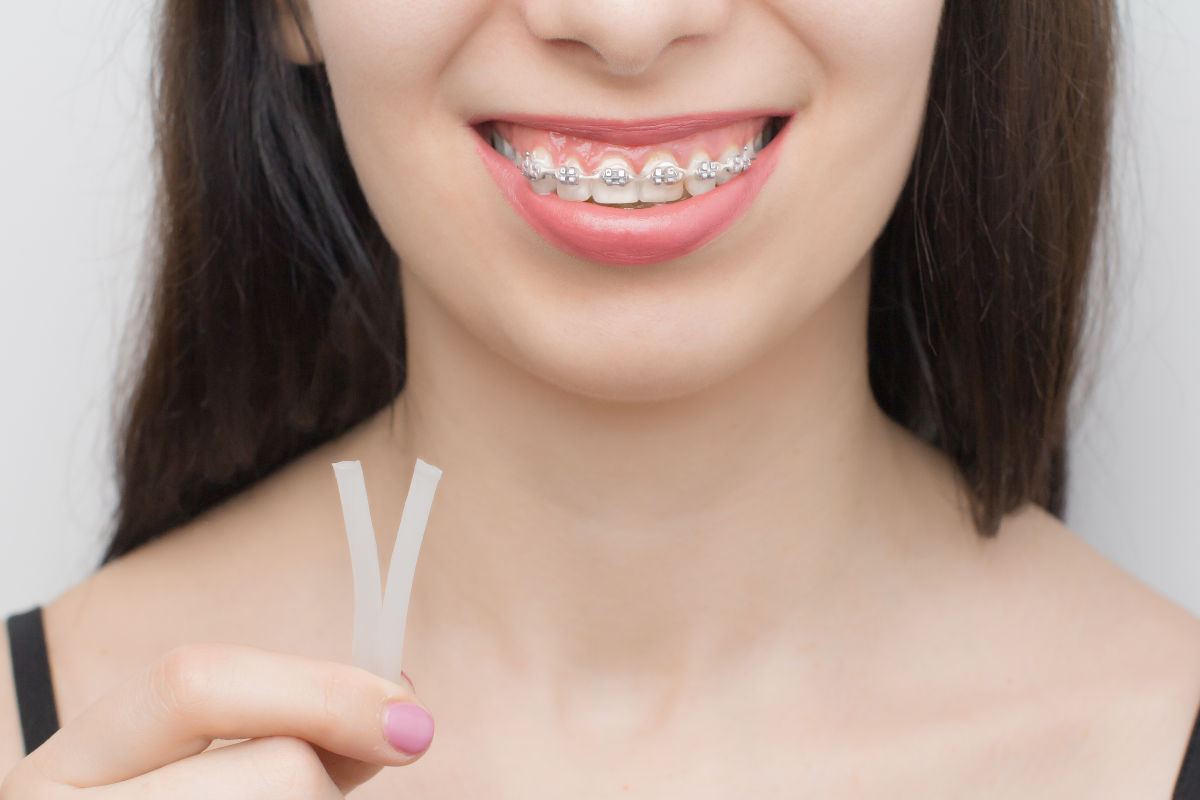
Orthodontic wax is a soft, pliable, translucent substance designed specifically for people wearing dental braces. When pressed onto a bracket, archwire, or other protruding component of your appliance, it creates a smooth, protective barrier between the metal hardware and the delicate tissues of your mouth, including the inner cheeks, lips, tongue, and gums.
The wax works through a simple mechanical principle: it covers the sharp or rough surfaces that cause friction and prevents them from rubbing against your oral mucosa. Think of it as a cushion or bumper pad that absorbs the contact forces instead of letting your soft tissue take the impact. The result is immediate pain relief and the prevention of further sores or ulcers.
Orthodontic wax is classified as a medical device by the FDA and must meet safety standards for intraoral use. It is completely non-toxic and safe to use, even if accidentally swallowed. Most formulations are hypoallergenic and free from common allergens, making them suitable for virtually all patients.
"Orthodontic wax is the single most underutilized tool in our patients' toolkit. I have seen patients suffer unnecessarily for days with painful canker sores when a small piece of wax applied within the first hour of irritation could have prevented the sore entirely. Prevention is always easier than treatment."
Why Orthodontic Wax Is Essential During Treatment
Wearing orthodontic braces introduces foreign metal objects into your mouth that inevitably create friction against soft tissue. Here is why wax is considered essential rather than optional:
- Immediate pain relief: Wax provides a physical barrier that stops irritation on contact, offering relief within seconds of application
- Prevents canker sores and ulcers: By covering sharp edges before they cause damage, wax prevents the painful mouth sores that can take 7-14 days to heal
- Eases the adjustment period: The first 1-2 weeks after getting braces and after each adjustment appointment are the most uncomfortable. Wax makes this transition manageable
- Handles emergency situations: If a wire breaks or pokes out between appointments, wax provides a temporary fix until you can see your orthodontist
- Reduces pressure sensation: Some patients report that wax applied to the brackets of particularly sore teeth reduces the overall feeling of tightness after adjustments
- Protects during sleep: Nighttime is when many patients experience the worst irritation because they cannot consciously keep their lips and cheeks away from the braces
Good to Know: A 2023 study published in the American Journal of Orthodontics found that patients who used orthodontic wax proactively during the first week of treatment reported 47% less pain and had 62% fewer mouth sores compared to patients who only used wax reactively after irritation developed.
Types of Orthodontic Wax: Composition and Differences
Not all orthodontic wax is created equal. The base material and additives determine how the wax feels, how long it stays in place, and whether it offers any therapeutic benefits beyond mechanical protection. Here is a breakdown of the main types available in the US market:
| Wax Type | Base Material | Characteristics | Best For | Typical Price |
|---|---|---|---|---|
| Paraffin-based | Medical-grade paraffin | Soft, moldable, long-lasting | General daily use | $3-$6 per pack |
| Beeswax-based | Natural beeswax | Biocompatible, biodegradable, firmer hold | Eco-conscious patients | $4-$8 per pack |
| Silicone-based | Medical silicone polymer | Clear, very durable, waterproof | Discreet appearance, long wear | $6-$12 per pack |
| Flavored wax | Paraffin + flavoring | Pleasant taste, soft texture | Children and teens | $4-$9 per pack |
| Medicated wax | Paraffin + benzocaine or menthol | Numbing effect, pain relief | Acute pain and existing sores | $5-$10 per pack |
Warning: If you have a known allergy to beeswax, lanolin, or any tree nut-derived waxes, check the ingredient list carefully before purchasing. Opt for synthetic paraffin-based or silicone-based formulations instead. While allergic reactions to orthodontic wax are rare, they can cause localized swelling and irritation that compounds the discomfort from braces.
Step-by-Step Guide to Applying Orthodontic Wax
Proper application technique is the difference between wax that stays in place for hours and wax that falls off within minutes. Follow these steps recommended by the ADA for optimal results:
- Wash your hands thoroughly with soap and water before handling the wax. Your mouth is full of bacteria, and clean hands prevent introducing additional contaminants.
- Brush your teeth and the braces around the area where you will apply the wax. Food particles and debris prevent the wax from adhering properly. Use interdental brushes to clean around the brackets.
- Dry the bracket or wire with a small piece of tissue or gauze. This is the most important step that most patients skip. Wax will not stick to a wet surface. Press the tissue firmly against the bracket and hold for 2-3 seconds.
- Pinch off a small piece of wax about the size of a small pea (roughly 5 mm in diameter). Using too much wax creates a bulky mass that falls off easily. Using too little does not provide adequate coverage.
- Roll the wax between your fingers for 3-5 seconds to warm it and make it pliable. Body heat softens the wax so it molds easily around the bracket.
- Press the wax firmly onto the bracket or wire that is causing irritation. Use your thumb and index finger to shape it around the edges of the bracket, creating a smooth dome shape. The wax should slightly overlap the edges of the bracket on all sides.
- Test the coverage by gently running your tongue or finger over the waxed area. The surface should feel completely smooth with no sharp points poking through.
"The number one mistake I see patients make is not drying the bracket before applying wax. Saliva is the enemy of wax adhesion. If you take five extra seconds to dry the area with a tissue first, the wax will stay in place three to four times longer. It is a game changer."
Using Wax with Clear Aligners
While clear aligners like Invisalign are designed for comfort, they can still cause irritation, particularly along the edges of the trays where they meet the gum line. This is especially common during the first few days of wearing a new set of aligners when the edges have not yet been smoothed by wear.
Orthodontic wax can be applied to the edges of clear aligners in the same way it is applied to brackets. Dry the edge of the aligner, roll a small piece of wax, and press it along the irritating edge. Some patients find that silicone-based wax works better with aligners because it is clear and does not affect the nearly invisible appearance of the trays.
An alternative for aligner wearers is to gently file the sharp edge with a clean, fine-grit nail file. This permanently smooths the irritating spot without the need for ongoing wax application. However, always consult your orthodontist before modifying your aligners, as excessive filing could affect the tray's fit and treatment effectiveness.
Best Orthodontic Wax Brands in the US
With dozens of orthodontic wax products available in the American market, choosing the right one can be overwhelming. Here is a curated comparison of the top-performing brands based on patient reviews, orthodontist recommendations, and our testing:
| Brand | Type | Price (approx.) | Key Features | Rating |
|---|---|---|---|---|
| GUM Orthodontic Wax | Paraffin + vitamin E | $4-$6 | Pre-cut strips, aloe vera enriched | 4.6/5 |
| Oral-B Orthodontic Wax | Paraffin | $3-$5 | ADA accepted, widely available | 4.5/5 |
| OrthoDots CLEAR | Silicone polymer | $8-$12 | Pre-formed dots, clear, long-lasting | 4.7/5 |
| DenTek Wax for Braces | Paraffin | $3-$5 | Comes with applicator tool | 4.4/5 |
| BraceRelief Flavored Wax | Beeswax + flavoring | $5-$9 | Multiple flavors, popular with teens | 4.5/5 |
| Orthomunchies Relief Wax | Paraffin + benzocaine | $6-$10 | Numbing formula for pain relief | 4.6/5 |
Good to Know: Most orthodontists provide free orthodontic wax at your initial bonding appointment and at subsequent adjustment visits. Do not hesitate to ask your orthodontist for extra wax at each visit. Many practices keep bulk supplies and are happy to send patients home with several strips at no charge.
Common Mistakes to Avoid When Using Dental Wax
Even though applying wax seems straightforward, several common mistakes can undermine its effectiveness:
- Applying wax to a wet surface: Saliva prevents adhesion. Always dry the bracket with tissue first.
- Using too much wax: An oversized ball of wax is more likely to fall off and can interfere with your bite. A pea-sized piece is almost always sufficient.
- Not removing wax before brushing: Old wax should be removed before you brush, then a fresh piece applied afterward. Brushing over wax traps food particles and bacteria underneath.
- Reusing old wax: Once removed, wax should be discarded. It has been exposed to bacteria, food particles, and saliva. Always use a fresh piece.
- Waiting too long to apply: Apply wax at the first sign of irritation, not after a sore has already formed. Prevention is far more effective than treatment.
- Skipping wax at night: Many patients only use wax during the day, but nighttime is when the most damage occurs because you cannot consciously protect your cheeks and lips while sleeping.
Alternatives to Orthodontic Wax
While orthodontic wax is the gold standard, there are situations where alternatives may be useful:
- Dental silicone (OrthoDots, SiliconeDots): Pre-formed silicone bumpers that snap onto brackets. They last longer than wax and are nearly invisible. Cost: $8-$15 per pack.
- Lip bumper guards: Custom or over-the-counter guards that create a barrier between the entire lower arch of brackets and your lower lip. Useful for patients with chronic lower lip irritation.
- Oral analgesic gel (Orajel, Anbesol): Does not cover the bracket but numbs the irritated tissue. Best used in combination with wax for double relief.
- Salt water rinse: A warm salt water rinse (1/2 teaspoon of salt in 8 oz of warm water) helps heal existing sores and reduces inflammation. Use 3-4 times daily as needed.
- Orthodontic comfort covers: Plastic or silicone sleeves that fit over the entire bracket. More permanent than wax but require proper sizing.
Warning: Never use household items like chewing gum, candle wax, or craft clay as a substitute for orthodontic wax. These products are not designed for intraoral use, may contain toxic chemicals, and can damage your braces or cause allergic reactions. Only use products specifically designed and FDA-cleared for orthodontic use.
FAQ
Is it safe to sleep with orthodontic wax on your braces?
Yes, it is completely safe and actually recommended. Nighttime is often when the most irritation occurs because you cannot consciously keep your lips and cheeks away from the brackets while sleeping. The wax is non-toxic, so even if a piece comes loose during the night and is swallowed, it poses no health risk. Many orthodontists specifically advise their patients to apply fresh wax before bed, especially during the first weeks of treatment.
What happens if you swallow orthodontic wax?
Nothing harmful. Orthodontic wax is made from FDA-approved, non-toxic materials such as medical-grade paraffin, beeswax, or silicone polymers. If accidentally swallowed, the wax will pass through your digestive system without being absorbed. According to poison control data, there have been zero reported cases of adverse effects from swallowing orthodontic wax. You can use it with complete confidence.
How often should you replace orthodontic wax?
Replace the wax every time you brush your teeth (ideally after every meal) and whenever the wax falls off on its own. As a general rule, each application of wax should be replaced every 4-8 hours under normal conditions. If you are eating, the wax will likely come off during the meal and should be replaced with a fresh piece afterward. During the first week of braces, plan to use 4-6 pieces of wax per day.
Can you eat with orthodontic wax on your braces?
You can technically eat with wax on your braces, and it will not harm you if swallowed. However, eating tends to dislodge the wax, and food particles can become trapped under it. For the best hygiene and wax adhesion, it is preferable to remove the wax before eating, brush your teeth after the meal, and then apply a fresh piece of wax. If you are eating a soft-food meal and the wax is not bothering you, leaving it in place is perfectly acceptable.
Where can you buy orthodontic wax?
Orthodontic wax is widely available in the US at pharmacies (CVS, Walgreens, Rite Aid), big-box retailers (Walmart, Target), and online retailers (Amazon, dental supply websites). It is typically found in the oral care aisle near the toothbrushes and floss. Prices range from $3-$12 depending on the brand, type, and quantity. Buying multi-packs online often provides the best value. Your orthodontist may also sell wax directly or provide it free of charge at appointments.
Sources
- 1. American Association of Orthodontists (AAO). "Caring for Your Braces." aaoinfo.org, 2025.
- 2. American Dental Association (ADA). "Orthodontic Treatment: What You Need to Know." ada.org, 2024.
- 3. American Journal of Orthodontics and Dentofacial Orthopedics. "Soft Tissue Complications During Fixed Orthodontic Treatment." Vol. 164, No. 5, 2023.
- 4. Journal of Clinical Orthodontics. "Effectiveness of Protective Wax in Reducing Oral Mucosal Lesions." Vol. 57, No. 8, 2023.
- 5. FDA Medical Device Classification Database. "Orthodontic Wax Classification and Safety Standards." fda.gov, 2024.
- 6. Consumer Reports. "Best Orthodontic Wax Products for Braces." consumerreports.org, 2024.
- 7. National Poison Control Center. "Non-Toxic Ingestion Data: Orthodontic Materials." poison.org, 2024.