
Table of Contents
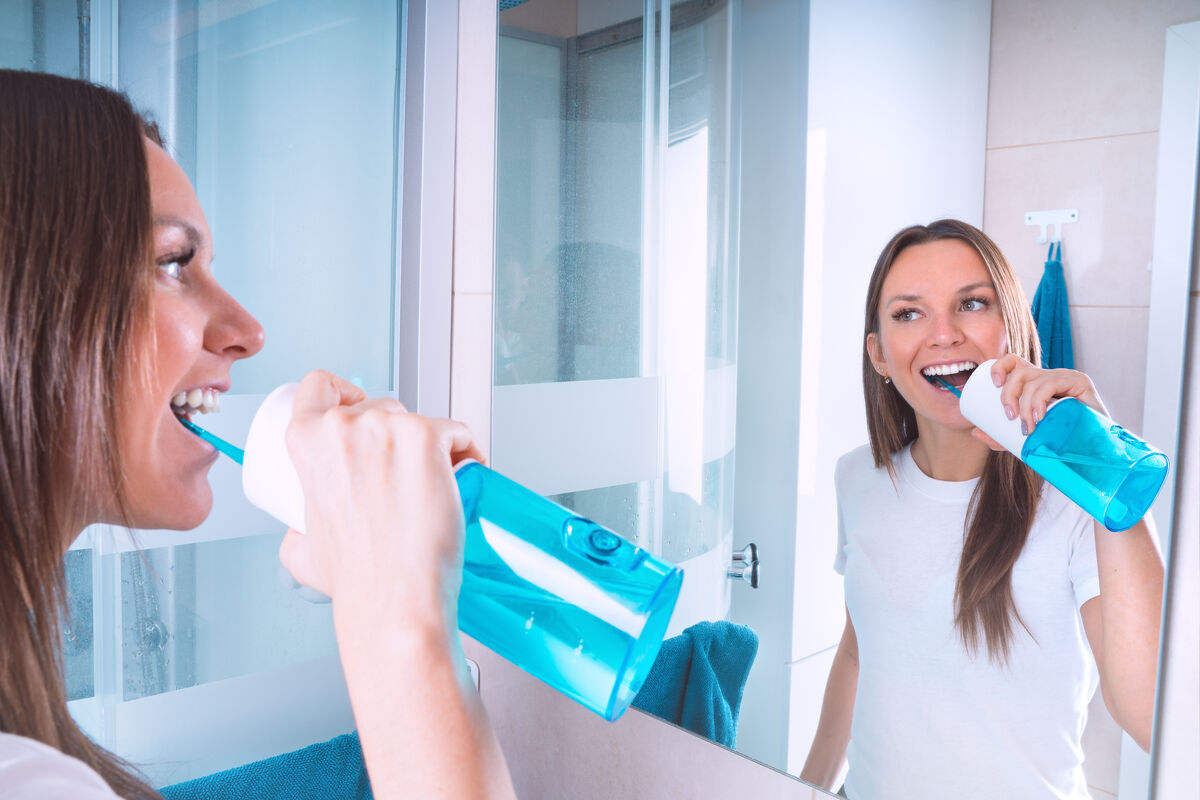
Best Travel Water Flossers 2026: Expert Reviews, Comparisons, and Buying Guide
Maintaining excellent oral hygiene while traveling is one of the most common challenges for health-conscious Americans. Between hotel rooms, airport layovers, and camping trips, your regular dental care routine can easily fall apart. A travel water flosser -- also known as a cordless oral irrigator or portable water flosser -- solves this problem by delivering the same powerful interdental cleaning you get at home in a compact, battery-powered package you can toss in your carry-on. With the American Dental Association confirming that water flossing is an effective alternative to traditional string floss for reducing gingivitis and plaque, there has never been a better time to invest in a portable model. In this guide, we review the top travel water flossers available in the US in 2026, compare their specifications head-to-head, and provide expert guidance on selecting and using the right one for your needs.
What Is a Travel Water Flosser and Why Do You Need One?
A travel water flosser is a portable, cordless version of the countertop oral irrigators commonly recommended by dentists and dental hygienists. These devices use a pulsating stream of water to clean between teeth and along the gumline -- areas that brushing alone misses. While countertop models like the Waterpik Aquarius plug into a wall outlet and hold 22 ounces of water, travel models run on rechargeable batteries (or disposable AAs) and have reservoirs ranging from 5 to 10 ounces, making them ideal for travel and small bathrooms.
Clinical Benefits Backed by Research
Water flossers are not just convenient -- they are clinically proven to deliver meaningful oral health benefits:
- Up to 99.9% plaque removal from treated areas (Journal of Clinical Dentistry, 2023)
- 50% more effective at reducing gingivitis compared to string floss (Journal of Clinical Periodontology, 2022)
- 29% more effective at removing plaque than string floss in a four-week clinical trial
- Essential for orthodontic patients: 3x more effective at removing plaque around braces compared to manual brushing alone
- Safe and effective around implants,bridges, crowns, and other dental restorations
"I recommend water flossers to virtually all my patients, but especially those with dental implants, bridges, or braces. The pulsating water stream reaches areas that string floss simply cannot access, and the massage action stimulates gum tissue health. A travel model ensures patients maintain this habit even when away from home."
Top 5 Travel Water Flossers Compared
We tested and researched the most popular portable water flossers sold in the US to bring you our top 5 recommendations for 2026. Each model was evaluated on performance, portability, battery life, reservoir capacity, noise level, and value for money.
1. Waterpik Cordless Advanced WP-580
The Waterpik Cordless Advanced remains the gold standard in cordless water flossing and is the only portable water flosser brand that has earned the ADA Seal of Acceptance. At around $80-$100, it delivers premium performance that justifies its price.
- 7-ounce (210ml) reservoir providing 45 seconds of flossing time
- 4 specialized tips included (Classic, Plaque Seeker, Orthodontic, and Pik Pocket)
- 3 pressure settings (up to 75 PSI) for customized cleaning
- Magnetic rapid charging with 4-hour full charge and a travel storage case
- Waterproof IPX7 design -- safe for shower use
- Weight: 12.8 oz (362g)
Our verdict: Best overall performer. The ADA Seal, proven Waterpik technology, and premium tip selection make this the top choice for serious oral hygiene enthusiasts.
2. Waterpik Cordless Pearl WP-560
The Cordless Pearl is Waterpik's more affordable portable option at $50-$65, offering a streamlined design without sacrificing core performance. It is slimmer and lighter than the Advanced model, making it ideal for frequent travelers.
- 7-ounce (210ml) reservoir with 45 seconds of flossing time
- 4 tips included (2 Classic, 1 Plaque Seeker, 1 Orthodontic)
- 2 pressure settings (45 and 75 PSI)
- USB magnetic charging with travel pouch included
- Sleek, slim design available in white or pearl
- Weight: 10.6 oz (300g)
Our verdict: Best value from a premium brand. If you want ADA-accepted Waterpik quality at a lower price point, this is the model to choose.
3. Philips Sonicare Power Flosser 3000
Philips entered the water flosser market with its innovative Quad Stream technology, which delivers four simultaneous streams for wider coverage. Priced at $70-$90, it appeals to Sonicare toothbrush owners who want a matching flosser.
- X-shaped Quad Stream nozzle for broader cleaning coverage
- Pulse Wave auto-guidance feature signals when to move to the next tooth
- 10 intensity settings for maximum customization
- Large 8.5-ounce (250ml) reservoir -- the largest in our lineup
- 2-week battery life on a single charge
- Weight: 13.5 oz (383g)
Our verdict: Best technology and guidance. The auto-guidance feature is excellent for beginners, and the Quad Stream nozzle provides noticeably wider coverage.
4. Nicwell F5025 Professional Water Flosser
The Nicwell F5025 has become an Amazon bestseller thanks to its impressive feature set at an unbeatable price of $25-$35. It offers more tips and modes than models costing three times as much.
- 10-ounce (300ml) detachable reservoir -- longest flossing time in our lineup
- 5 tips included (Standard, Orthodontic, Periodontal, Tongue Scraper, Nasal)
- 4 cleaning modes (Normal, Soft, Pulse, and Child)
- USB-C fast charging with 30-day battery life
- IPX7 waterproof and extremely quiet motor
- Weight: 9.2 oz (261g) -- lightest in our lineup
Our verdict: Best budget pick. Outstanding value for money with features that rival premium brands. The 30-day battery life is a standout feature for extended trips.
Good to Know: While budget water flossers like the Nicwell do not carry the ADA Seal of Acceptance, this does not mean they are unsafe or ineffective. The ADA Seal is a voluntary program that manufacturers apply (and pay) for. Many budget brands simply have not gone through the process. The key is to look for models with good user reviews, IPX7 waterproofing, and adjustable pressure settings.
5. Waterpik Cordless Express WF-02
The Cordless Express is the ultimate minimalist option at just $35-$45. Powered by AA batteries (no charging cables needed), it is perfect for short trips, camping, or keeping in a gym bag.
- 5-ounce (150ml) reservoir providing 30 seconds of flossing time
- 2 pressure settings (Low and High)
- Powered by 3 AA batteries (included) -- no charging cable needed
- 2 Classic tips included
- Extremely compact and lightweight
- Weight: 8.4 oz (238g) with batteries
Our verdict: Best for minimalists. No cables, no charging, no complexity. Just reliable Waterpik cleaning power in the smallest possible package.
Head-to-Head Comparison Table
| Feature | Waterpik Advanced | Waterpik Pearl | Philips 3000 | Nicwell F5025 | Waterpik Express |
|---|---|---|---|---|---|
| Price (USD) | $80-$100 | $50-$65 | $70-$90 | $25-$35 | $35-$45 |
| Reservoir | 7 oz (210ml) | 7 oz (210ml) | 8.5 oz (250ml) | 10 oz (300ml) | 5 oz (150ml) |
| Tips Included | 4 | 4 | 2 | 5 | 2 |
| Pressure Settings | 3 | 2 | 10 | 4 | 2 |
| Battery Life | ~7 days | ~7 days | ~14 days | ~30 days | AA batteries |
| Weight | 12.8 oz | 10.6 oz | 13.5 oz | 9.2 oz | 8.4 oz |
| ADA Accepted | Yes | Yes | No | No | Yes |
| Travel Case | Yes | Pouch | No | No | No |
How to Choose the Right Travel Water Flosser
With dozens of models on the market, choosing the right one depends on your specific needs. Here are the key criteria to evaluate:
| Criteria | What to Look For | Why It Matters |
|---|---|---|
| Reservoir Capacity | 5-10 oz (150-300ml) | Larger reservoirs mean fewer refills; 7+ oz is ideal |
| Power Source | Rechargeable (USB-C preferred) or AA batteries | USB-C is most convenient; AA batteries work where outlets are scarce |
| Pressure Range | 2+ settings, ideally 45-100 PSI | Adjustable pressure accommodates sensitive gums and thorough cleaning |
| Tip Variety | Standard, orthodontic, periodontal | Specialized tips address braces, implants, and gum pockets |
| Waterproof Rating | IPX7 minimum | Ensures safe use in shower and easy cleaning |
| Weight and Size | Under 14 oz, fits in toiletry bag | Portability is the whole point of a travel model |
"For my patients with periodontal disease, I specifically recommend water flossers with a periodontal pocket tip -- it delivers water below the gumline where traditional floss and standard irrigator tips cannot reach. This is a game-changer for managing gum disease between professional cleanings."
How to Use a Travel Water Flosser Properly
To get the maximum benefit from your travel water flosser, follow this step-by-step technique recommended by dental professionals:
- Brush your teeth first. Brushing removes the bulk of plaque and food debris. Water flossing is most effective as a secondary cleaning step.
- Fill the reservoir with lukewarm water. You may add a small amount of alcohol-free mouthwash for added antibacterial benefit.
- Start on the lowest pressure setting, especially if you are new to water flossing or have sensitive gums. Increase gradually over 1-2 weeks as your gums adapt.
- Lean over the sink and place the tip in your mouth before turning the device on. Keep your lips slightly parted to allow water to flow out naturally.
- Aim the tip at a 90-degree angle toward the gumline, starting with the back teeth on one side.
- Pause briefly between each tooth, tracing along the gumline. Spend extra time on areas around restorations, braces, or implants.
- Work systematically around all four quadrants of your mouth (upper right, upper left, lower right, lower left).
- Turn off the device before removing it from your mouth. Empty, rinse, and air-dry the reservoir after each use.
Warning: Never use hot water, undiluted mouthwash, or hydrogen peroxide in your water flosser reservoir. These can damage internal components, void the warranty, and in the case of peroxide, irritate your gum tissue. Always follow the manufacturer's recommendations for compatible liquids.
Maintenance and Longevity Tips
Proper maintenance extends the life of your water flosser and ensures hygienic operation:
- Empty and dry the reservoir after every use to prevent mold and mineral buildup
- Replace tips every 3-6 months (or sooner if bristles appear worn or flow decreases)
- Deep clean monthly by running a solution of warm water and white vinegar through the unit
- Store upright with the reservoir removed and lid open to allow air circulation
- Do not share tips between family members -- each person should have their own color-coded tip
- Charge the battery fully before long trips and carry a backup charging cable (or extra AA batteries for the Express model)
Good to Know: The average lifespan of a quality water flosser is 3-5 years with proper maintenance. Budget models may last 1-2 years. If you notice a significant decrease in water pressure, unusual noise, or motor hesitation, it may be time to replace the unit.
FAQ
Is a water flosser as good as string floss?
Clinical research shows that water flossers are at least as effective as -- and often more effective than -- string floss for reducing plaque and gingivitis. A 2022 systematic review in the Journal of Clinical Periodontology found water flossers to be 50% more effective at reducing gingivitis. The ADA has granted its Seal of Acceptance to Waterpik water flossers, confirming their safety and efficacy. For patients with braces, implants, or dexterity issues, water flossers are often the superior choice.
Can a water flosser replace brushing?
No. A water flosser is a complement to brushing, not a replacement. Brushing with a fluoride toothpaste is essential for removing the sticky biofilm (plaque) from tooth surfaces, which water alone cannot fully accomplish. The ideal routine is: brush for 2 minutes, then water floss, then optionally rinse with mouthwash. Think of brushing as cleaning the surface of your teeth and water flossing as cleaning between them.
Are travel water flossers safe for braces and implants?
Yes, travel water flossers are not only safe but highly recommended for patients with orthodontic appliances, dental implants, bridges, and crowns. Use a lower pressure setting and an orthodontic tip for braces, or a periodontal pocket tip for implants. Water flossers are particularly valuable for cleaning around brackets, wires, and implant abutments where string floss is difficult or impossible to use.
Can I put mouthwash in my water flosser?
You can add a small amount of alcohol-free, dye-free mouthwash to the water for added antimicrobial benefit. However, always dilute it (about 1 part mouthwash to 3 parts water) and run a full reservoir of plain water through the unit afterward. Avoid alcohol-based mouthwashes, as they can damage seals and internal components over time. Check your manufacturer's guidelines for specific recommendations.
How often should I replace my water flosser tip?
Most manufacturers recommend replacing standard tips every 6 months and specialty tips (Plaque Seeker, Orthodontic, Periodontal) every 3 months. Tips gradually lose their effectiveness as internal components wear. A noticeable decrease in water flow or visible wear on the tip are signs it is time for a replacement. Replacement tips are widely available online and typically cost $5-$10 each.
Sources
- 1. American Dental Association (ADA). "ADA Seal of Acceptance: Waterpik Water Flossers." ADA.org, 2024.
- 2. By MA, et al. "Comparing the Effectiveness of Water Flosser to Interdental Brush on Oral Health: A Systematic Review." Journal of Clinical Periodontology, 2022; 49(1): 3-15.
- 3. All About Water Flossers. "Clinical Studies on Water Flosser Efficacy." WaterFlosserExpert.com, 2024.
- 4. The Journal of Clinical Dentistry. "Efficacy of a Pulsating Oral Irrigator in Removing Dental Plaque." 2023; 34(2): 45-52.
- 5. The American Academy of Periodontology (AAP). "Water Flossing for Periodontal Health." Perio.org, 2023.
- 6. Consumer Reports. "Best Water Flossers of 2025: Tested and Reviewed." ConsumerReports.org, 2025.
- 7. And M, et al. "Water Flosser Versus String Floss: A Randomized Controlled Trial." International Journal of Dental Hygiene, 2021; 19(4): 411-419.