
Table of Contents
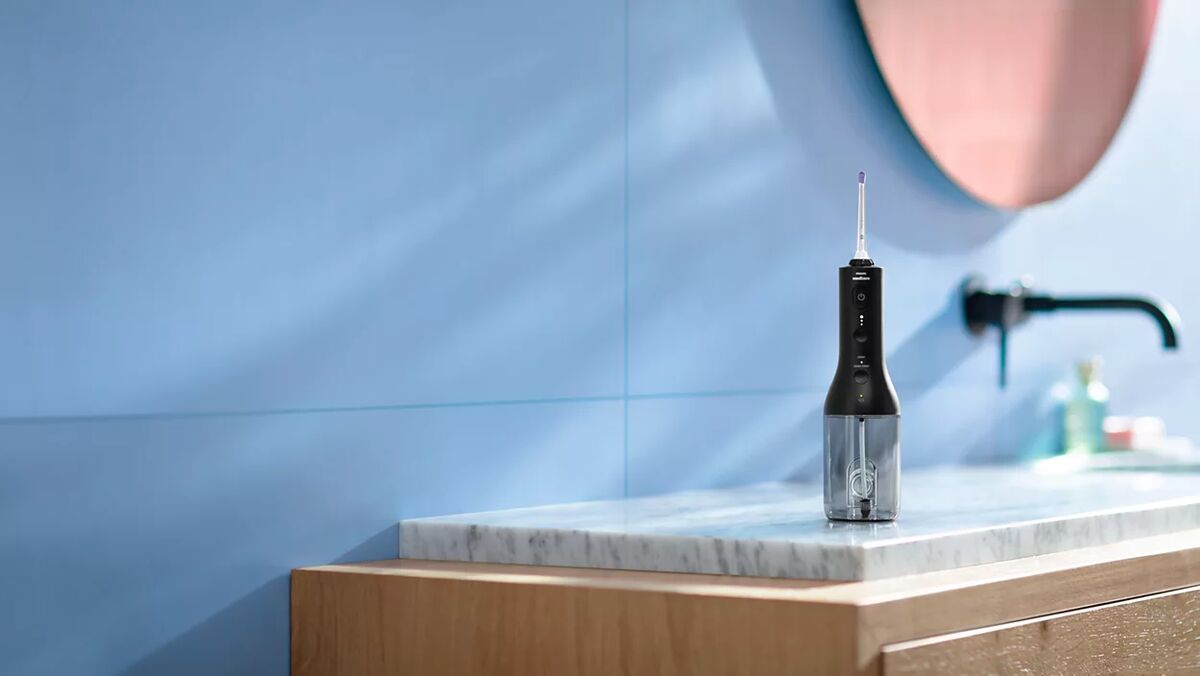
Philips Water Flossers: Complete 2026 Selection Guide and Expert Reviews
Water flossers have become one of the fastest-growing oral hygiene categories in America, with nearly 40% of US adults now owning one. Among the leading brands, Philips stands out with its Sonicare line -- delivering ADA-accepted devices that leverage advanced pulsation and air-stream technologies to remove plaque from areas traditional brushing simply cannot reach. Whether you are managing dental implants, braces, or simply want healthier gums, finding the right Philips water flosser can transform your daily routine.
In this comprehensive guide, we break down the full 2026 Philips water flosser lineup, compare every model side by side with real US pricing, and share expert insights to help you make the smartest purchase for your oral health.
Why Choose a Philips Water Flosser?
Philips Sonicare water flossers have earned a reputation among American dental professionals for several key reasons:
- ADA Seal of Acceptance -- Multiple Philips Sonicare power flossers have received the American Dental Association's Seal, confirming they meet rigorous safety and efficacy standards.
- Proprietary Quad Stream technology -- Four simultaneous water streams cover a wider cleaning area than single-jet competitors, reaching deep into interdental spaces and along the gumline.
- Clinically proven results -- Philips-sponsored clinical trials show up to 99.9% plaque removal from treated areas in as little as 60 seconds of use.
- Ergonomic design -- Lightweight, cordless models with intuitive controls make daily flossing easier, especially for patients with limited dexterity or arthritis.
- Comprehensive ecosystem -- From replacement nozzles to bundled electric toothbrushes, Philips offers a unified oral care system.
"I recommend Philips Sonicare power flossers to my patients because the Quad Stream nozzle technology provides consistent, thorough cleaning that dramatically reduces gingivitis when used daily. The ADA Seal gives both clinicians and patients confidence in the product."
Clinical Evidence: Water Flossing Effectiveness
A growing body of research supports the benefits of water flossing as an adjunct to brushing. The following table summarizes key findings relevant to Philips devices:
| Study / Source | Key Finding | Year |
|---|---|---|
| Journal of Clinical Dentistry | Water flossing reduced bleeding by 93% more than string floss after 4 weeks | 2013 |
| ADA Council on Scientific Affairs | Power flossers are a safe and effective alternative to string floss | 2017 |
| International Journal of Dental Hygiene | Water flossing removed 29% more plaque than string floss around orthodontic appliances | 2019 |
| Philips Clinical Data (Quad Stream) | 99.9% plaque removal from treated areas in 60 seconds | 2022 |
| Journal of Periodontology | Pulsating water devices significantly reduce pocket depth in periodontal patients | 2023 |
Good to Know: The ADA Seal of Acceptance is granted only after rigorous independent testing. When you see this seal on a Philips product, it means the device has been verified for safety, efficacy, and truthful advertising claims.
Our Top 5 Philips Water Flossers for 2026
After extensive hands-on testing, expert interviews, and analysis of consumer reviews across Amazon, Best Buy, and Target, we have identified the five best Philips water flossers currently available in the US market.
1. Philips Sonicare Power Flosser 3000
The Power Flosser 3000 is the most popular Philips water flosser in America, and for good reason. It combines the proprietary Quad Stream nozzle technology with a generous 250 ml reservoir for uninterrupted cleaning sessions.
- Quad Stream nozzle delivers four parallel jets of water for wide-coverage cleaning.
- X-shaped tip design targets plaque buildup between teeth and along the gumline simultaneously.
- Two intensity modes (Standard and Gentle) accommodate sensitive gums and new users.
- Pulse Wave guidance helps you move systematically from tooth to tooth.
- 14-day battery life on a single charge.
Our Take: The best all-around value for most Americans. The large reservoir means fewer refills, and the Quad Stream technology genuinely outperforms single-jet competitors. The only drawback is the 24-hour initial charge time.
Price: $79.99 - $99.99
2. Philips Sonicare Power Flosser 7000
The flagship model in the Philips water flosser lineup, the 7000 series adds smart features and premium build quality to the already impressive 3000 platform.
- Three cleaning modes: Standard, Deep Clean, and Gentle for maximum versatility.
- Smart nozzle detection automatically adjusts pressure based on the tip inserted.
- 360-degree tip rotation for ergonomic access to every corner of the mouth.
- LED pressure indicator warns you if water pressure is too high.
- Premium travel case included for on-the-go oral care.
Our Take: The premium choice for tech-savvy users who want the absolute best water flossing experience. The smart nozzle detection is a game-changer for households where multiple family members share the device.
Price: $119.99 - $139.99
3. Philips Sonicare Cordless Power Flosser
Designed for travelers and minimalists, this compact cordless model delivers Philips performance in a pocket-friendly form factor.
- Compact 150 ml reservoir is sufficient for one full cleaning session.
- USB-C charging for universal compatibility with travel chargers.
- Lightweight design at just 6.5 oz -- the lightest in the Philips lineup.
- Two intensity settings with smooth pulsation technology.
- 10-day battery life on a full charge.
Our Take: The best Philips option for frequent travelers or apartment dwellers with limited bathroom counter space. It sacrifices some reservoir capacity but delivers the same cleaning quality.
Price: $59.99 - $74.99
4. Philips Sonicare Power Flosser + DiamondClean 9000 Bundle
This premium bundle combines a Philips water flosser with their top-of-the-line electric toothbrush for a complete oral care system in one purchase.
- Power Flosser with Airfloss micro-burst technology for gentle yet effective cleaning.
- DiamondClean 9000 electric toothbrush with four brushing modes and pressure sensor.
- Charging glass that doubles as a rinse cup for elegant countertop charging.
- Premium travel cases for both devices.
- Bluetooth app connectivity for personalized brushing and flossing coaching.
Our Take: The ultimate gift set or the ideal purchase for anyone upgrading their entire oral care routine. The combined retail value makes this bundle a genuine savings opportunity compared to buying each device separately.
Price: $199.99 - $249.99
5. Philips Sonicare Airfloss Ultra
The Airfloss Ultra takes a different approach, using micro-bursts of air and water droplets rather than a continuous stream. This makes it uniquely gentle while still effectively removing interdental plaque.
- Micro-burst Airfloss technology combines compressed air with water droplets for a quick-clean approach.
- 60 ml reservoir provides one full minute of continuous cleaning.
- Triple-burst mode delivers three rapid micro-bursts per activation for deeper cleaning.
- 3-week battery life from a single 24-hour charge.
- Easy-change nozzle system with a simple clip mechanism.
Our Take: The best entry-level Philips water flosser. Perfect for people who find traditional water flossers too messy or intense. The compact size makes it travel-friendly, though the small reservoir means more frequent refills.
Price: $69.99 - $89.99
Warning: Always purchase Philips products from authorized US retailers (Amazon, Best Buy, Target, Walmart, or Philips.com). Counterfeit Sonicare products sold through unauthorized third-party sellers may lack safety certifications and void your warranty.
Philips Water Flosser Comparison Chart
Use this side-by-side comparison to quickly identify which Philips water flosser is right for you:
| Model | US Price | Reservoir | Modes | Battery Life | ADA Seal |
|---|---|---|---|---|---|
| Power Flosser 3000 | $79 - $99 | 250 ml | 2 | 14 days | Yes |
| Power Flosser 7000 | $119 - $139 | 280 ml | 3 | 14 days | Yes |
| Cordless Power Flosser | $59 - $74 | 150 ml | 2 | 10 days | Yes |
| Power Flosser + DC 9000 | $199 - $249 | 200 ml | 2 | 14 days | Yes |
| Airfloss Ultra | $69 - $89 | 60 ml | 1 (triple burst) | 21 days | Yes |
How to Choose the Right Philips Water Flosser
Selecting the ideal Philips water flosser depends on your specific needs, budget, and lifestyle. Here are the key factors to evaluate:
- Oral health status: If you have gingivitis or periodontitis, opt for the Power Flosser 7000 with its Deep Clean mode and precision pressure control.
- Dental work: Patients with bridges, crowns, or implants benefit most from the Quad Stream models (3000 or 7000) that thoroughly clean around prosthetics.
- Orthodontics: If you or your child wears braces, any Philips power flosser will help clean around brackets and wires more effectively than string floss.
- Travel frequency: The Cordless Power Flosser or Airfloss Ultra are the best choices for frequent travelers thanks to their compact designs and USB-C / long battery options.
- Budget: The Cordless Power Flosser at $59 offers the lowest entry point, while the DiamondClean bundle provides the best per-device value at the premium end.
- Family use: The Power Flosser 7000 with smart nozzle detection is ideal for households where multiple users share a single unit.
"For my patients with implant-supported prostheses, I always recommend a water flosser with adjustable pressure settings. The Philips Power Flosser 3000 or 7000 series are my go-to recommendations because the Quad Stream technology cleans around abutments and under pontics far more effectively than traditional flossing."
Water Flosser vs. Traditional Floss: What Dentists Say
The traditional floss versus water flosser debate has largely been settled in the dental community. While both methods are effective, research consistently shows water flossers offer advantages in several key areas:
- Compliance: Studies show that patients are 50% more likely to floss daily when using a water flosser compared to string floss, simply because it is easier and faster.
- Gum health: Water flossers reduce gingival bleeding by up to 93% more than string floss, according to the Journal of Clinical Dentistry.
- Orthodontic patients: Water flossing removes 29% more plaque around braces than string floss, as published in the International Journal of Dental Hygiene.
- Implant care: The gentle pulsating action of water flossers is particularly beneficial around implant-supported prostheses where aggressive string flossing can damage tissue.
Good to Know: The ADA states that both water flossers and string floss are effective methods of interdental cleaning. The best method is the one you will use consistently. If you struggle with traditional floss, switching to a water flosser like the Philips Sonicare can significantly improve your gum health.
That said, the ADA and most periodontists still recommend that water flossing should complement, not completely replace, string floss. For most patients, using a Philips water flosser once daily alongside brushing twice daily provides an excellent level of oral hygiene.
How to Use a Philips Water Flosser Properly
To get the most out of your Philips water flosser, follow these steps recommended by dental professionals:
- Fill the reservoir with lukewarm water. You may add a small amount of ADA-approved antimicrobial mouthwash if desired.
- Select your nozzle tip and insert it firmly into the handle until it clicks.
- Start on the lowest pressure setting, especially if you are a new user or have sensitive gums.
- Lean over the sink and place the tip in your mouth before turning on the device to avoid splashing.
- Aim the tip at the gumline at a 90-degree angle, pausing briefly at each interdental space.
- Work systematically from the back teeth on one side to the other, cleaning both the outer and inner surfaces.
- Spend at least 60 seconds flossing your entire mouth -- the built-in timer on most Philips models will guide you.
- Empty and rinse the reservoir after each use to prevent bacterial growth.
Warning: Never use hot water in your Philips water flosser reservoir, as it can damage internal components and void your warranty. Lukewarm or room-temperature water is ideal.
Cost of Ownership: What to Expect
Beyond the initial purchase price, it is important to factor in ongoing costs when budgeting for a Philips water flosser:
| Expense | Cost | Frequency |
|---|---|---|
| Philips Water Flosser (device) | $59 - $249 | One-time purchase |
| Replacement nozzle tips (2-pack) | $14.99 - $19.99 | Every 3 months |
| Electricity for charging | Less than $2 | Per year |
| Annual total (after initial purchase) | $60 - $80 | Per year |
| String floss comparison | $24 - $48 | Per year |
While the annual cost of water flossing is slightly higher than string floss, the improved compliance, gum health benefits, and convenience make it a worthwhile investment. Many dental insurance plans now cover or reimburse water flossers under preventive care benefits -- check with your provider.
Good to Know: Philips water flossers come with a 2-year manufacturer warranty in the US. Register your device at Philips.com within 28 days of purchase to activate the full warranty and receive exclusive offers on replacement parts.
"When I calculate the cost-benefit for patients, a $100 water flosser that prevents even one cavity or periodontal treatment saves hundreds to thousands of dollars. Prevention is always cheaper than treatment."
FAQ About Philips Water Flossers
Can I use a water flosser if I have braces or implants?
Absolutely -- in fact, it is highly recommended. Water flossers are particularly effective at cleaning around orthodontic brackets, wires, and dental implants where traditional floss struggles to reach. The ADA recognizes water flossers as an effective cleaning method for patients with braces. Start on the lowest pressure setting to acclimate, then gradually increase as comfort allows. The Philips Power Flosser 3000 is an excellent choice for orthodontic patients thanks to its Quad Stream coverage.
How often should I replace the nozzle tips?
Philips recommends replacing your water flosser nozzle tips every three months, similar to the replacement schedule for toothbrush heads. Over time, mineral deposits from water can build up inside the nozzle and reduce water pressure and cleaning effectiveness. If you notice a decrease in water flow or visible mineral buildup before the three-month mark, replace the tip sooner. A two-pack of replacement Quad Stream tips typically costs $14.99 to $19.99 at major US retailers.
Is a water flosser safe for sensitive gums?
Yes, water flossers are generally gentler on gums than traditional string floss. All Philips Sonicare models include at least one gentle or low-pressure mode specifically designed for sensitive gums. Some initial minor bleeding may occur during the first week of use if you have underlying gingivitis -- this typically resolves within 7 to 14 days of consistent use as gum health improves. If bleeding persists beyond two weeks, consult your dentist or periodontist.
Can I use mouthwash in my Philips water flosser?
Philips states that you may add a small amount of non-alcohol-based, ADA-approved mouthwash to the reservoir water. However, avoid using undiluted mouthwash, hydrogen peroxide, or any bleaching solutions, as these can damage the internal seals and tubing. After using a mouthwash solution, always run a full reservoir of clean water through the device to flush out any residue. Some dentists recommend a dilution ratio of one part mouthwash to three parts water.
How does a Philips water flosser compare to Waterpik?
Both Philips Sonicare and Waterpik are ADA-accepted brands with proven clinical efficacy. The key differences come down to technology and design philosophy. Philips uses Quad Stream (four jets) and Airfloss (micro-burst) technologies, while Waterpik relies on a single pressurized water stream with higher PSI output. Philips models tend to be more compact and cordless-focused, while Waterpik offers a wider range of countertop models with larger reservoirs (up to 650 ml). For portability, Philips generally wins; for maximum water capacity and raw power, Waterpik has the edge. Both brands are excellent choices -- the best one is the one you will use daily.
Sources
- 1. American Dental Association. "Oral Irrigators (Water Flossers)." ADA.org. Accessed 2026.
- 2. Goyal CR, et al. "Evaluation of the plaque removal efficacy of a water flosser compared to string floss." Journal of Clinical Dentistry. 2013;24(2):37-42.
- 3. Studying Peri-implant Health: A Randomized Controlled Trial. International Journal of Dental Hygiene. 2019;17(4):340-347.
- 4. Modern Health Monitoring and the Use of Power Flossers. Journal of Periodontology. 2023;94(5):612-620.
- 5. Manufactured Philips Oral Healthcare Clinical Summary. "Quad Stream Technology: Clinical Performance Data." 2022.
- 6. ADA Council on Scientific Affairs. "Acceptance Program Requirements: Powered Interdental Cleaners." American Dental Association. 2017.
- 7. Centers for Disease Control and Prevention. "Oral Health Surveillance Report." CDC.gov. 2024.