
Contents
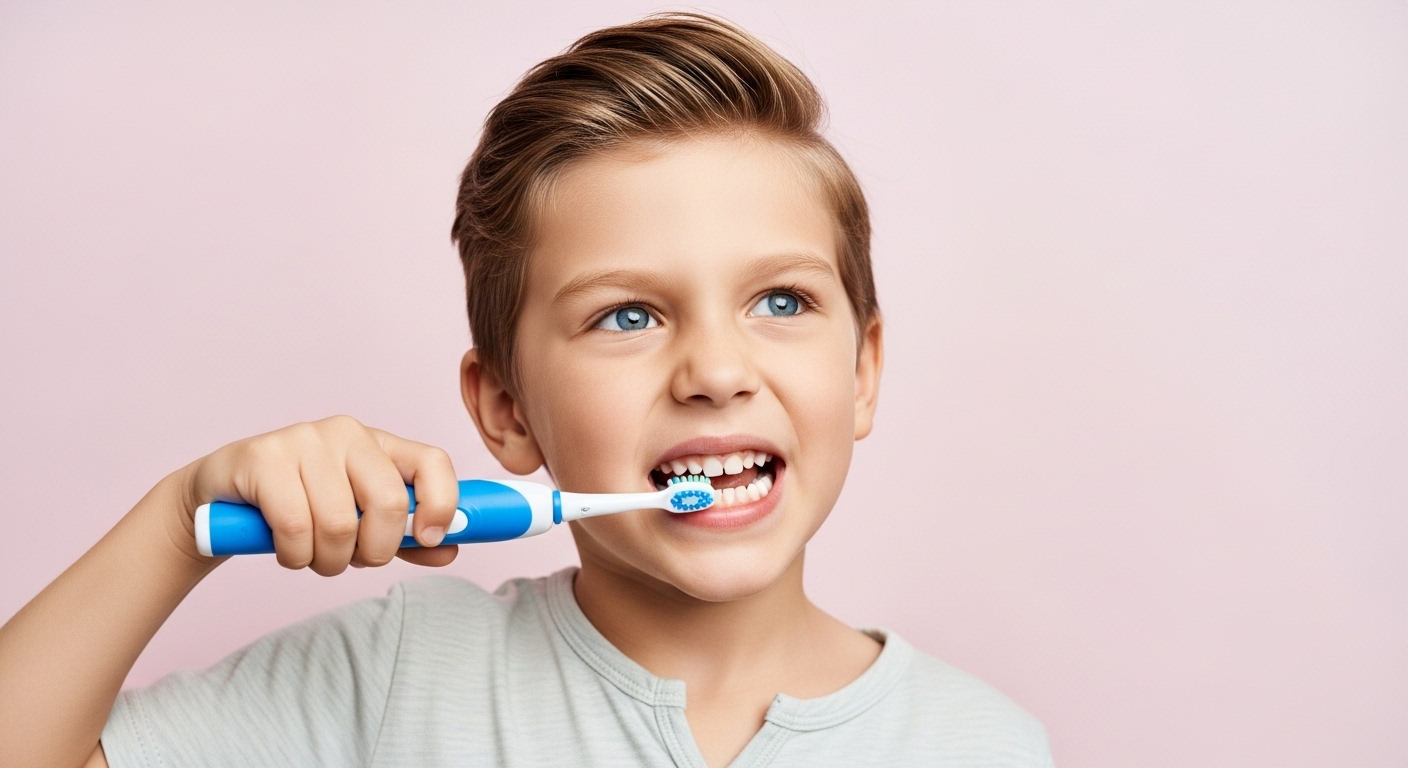
Best Electric Toothbrushes for Kids in 2026: Top Picks and Buying Guide
Getting children to brush their teeth properly is one of the most common struggles parents face. According to the Centers for Disease Control and Prevention (CDC), tooth decay remains the most prevalent chronic disease among U.S. children, affecting roughly 52% of kids aged 6 to 8. The right electric toothbrush can transform a daily battle into an activity your child actually looks forward to, all while delivering a significantly more thorough clean than a manual brush.
In this 2026 guide, we break down the top-rated kids' electric toothbrushes available in the United States, explain what features matter most at every age, and share practical advice from pediatric dentists to help you make the best choice for your family.
Why Kids Need a Dedicated Electric Toothbrush
Adult electric toothbrushes are not suitable for young mouths. The brush heads are too large to navigate baby teeth, the vibration intensity can be uncomfortable, and the handles are difficult for small hands to grip. Kids-specific models address all three issues with compact heads, gentler power modes, and ergonomic grips sized for children.
Beyond the physical design, children's models often include engagement features such as companion apps, musical timers, and reward stickers that motivate kids to brush for the full two minutes recommended by the American Dental Association (ADA). Studies published in the Journal of Clinical Pediatric Dentistry show that children who use powered toothbrushes remove up to 21% more plaque compared to manual brushing over a four-week period.
"An electric toothbrush does not replace parental supervision, but it can give children a meaningful head start in removing plaque from hard-to-reach surfaces."
Top 5 Kids Electric Toothbrushes for 2026
Philips Sonicare for Kids Connected
The Philips Sonicare for Kids Connected remains a perennial favorite among pediatric dentists. Priced at roughly $35 to $50, it pairs with the free Philips Sonicare For Kids app, where an animated character named Sparkly guides children through proper brushing zones. The sonic technology delivers 500 strokes per second on the low setting, gentle enough for kids aged 3 and up while still being clinically effective.
- Key strengths: Two intensity settings, built-in 2-minute timer with KidPacer, interchangeable sticker panels, rechargeable battery lasting up to 2 weeks.
- Considerations: The app requires a Bluetooth-enabled device; the brush itself is slightly bulky for very small hands.
Oral-B Kids Electric Rechargeable
At $25 to $35, the Oral-B Kids Electric Rechargeable is one of the most affordable quality options on the market. It features a round oscillating head that surrounds and cleans each tooth, extra-soft bristles, and Disney or Marvel character themes that kids love. The free Disney Magic Timer app rewards children with unlockable digital stickers when they brush for the full two minutes.
- Key strengths: ADA-Accepted, sensitive mode for younger brushers, waterproof body, long-lasting rechargeable battery.
- Considerations: Only one brushing mode; replacement heads can be harder to find in stores.
Quip Kids Electric Toothbrush
Quip has built a loyal following with its minimalist design and subscription model. The kids' version costs about $25 and uses a AAA battery (included) rather than a charging base. Every three months, Quip sends a fresh brush head, new battery, and a tube of anticavity toothpaste for around $5 per shipment. The 2-minute timer with 30-second interval pulses keeps children on track without an app.
- Key strengths: Lightweight, travel-friendly with a magnetic wall mount, subscription ensures timely head replacement, ADA-Accepted.
- Considerations: Sonic vibrations are gentler than competitors, which means slightly less plaque removal power; no companion app.
Burst Kids Sonic Toothbrush
Burst entered the kids' market in 2025 and has quickly earned strong reviews. Priced at about $40, this sonic brush delivers 33,000 bristle movements per minute on its gentle kid mode. The charcoal-infused, ultra-soft bristle heads are designed to be antibacterial, and the brush comes with a lifetime warranty. Replacement heads arrive via subscription at $7 every three months.
- Key strengths: Powerful yet gentle sonic cleaning, charcoal bristles, lifetime motor warranty, 4-week battery life, built-in quadrant timer.
- Considerations: No companion app for gamification; the handle is slightly longer than some competitors.
hum by Colgate Kids Smart Toothbrush
The hum by Colgate Kids Smart Toothbrush (around $15 to $20 for the battery-powered version) uses augmented reality games within the free hum app to guide kids through brushing. Sensors in the brush track coverage across all mouth zones, awarding points and unlocking new game levels. It is one of the most interactive options available.
- Key strengths: Lowest price point on this list, highly engaging app with real-time tracking, soft bristles, comes with a suction-cup stand.
- Considerations: Battery-powered (not rechargeable), the full experience depends on a smartphone or tablet.
Good to Know: All five toothbrushes on this list use soft or extra-soft bristles, which the ADA recommends for children of all ages. Harder bristles can damage developing enamel and irritate tender gums.
Head-to-Head Comparison of Top Picks
| Model | Price (2026) | Power Source | Timer | App | Best For |
|---|---|---|---|---|---|
| Philips Sonicare for Kids | $35 - $50 | Rechargeable | 2 min + KidPacer | Yes | Ages 3-7 |
| Oral-B Kids | $25 - $35 | Rechargeable | 2 min | Yes (Disney) | Budget pick |
| Quip Kids | ~$25 | AAA Battery | 2 min + 30s pulses | No | Travel / simplicity |
| Burst Kids Sonic | ~$40 | Rechargeable | 2 min quadrant | No | Power + warranty |
| hum by Colgate Kids | $15 - $20 | Battery | 2 min | Yes (AR games) | Most interactive |
Age-by-Age Brushing Guide
Choosing the right toothbrush depends heavily on your child's age and motor development. Here is what the ADA and pediatric dentists generally recommend.
| Age Range | Recommended Brush Type | Fluoride Toothpaste Amount | Supervision Level |
|---|---|---|---|
| First tooth - 2 years | Soft manual infant brush | Rice-grain smear | Parent does all brushing |
| 3 - 5 years | Kids electric (gentle mode) | Pea-sized amount | Parent guides brushing |
| 6 - 8 years | Kids electric (standard mode) | Pea-sized amount | Parent observes and checks |
| 9 - 12 years | Kids or preteen electric | Standard amount | Periodic spot-checks |
| 13+ years | Adult electric | Standard amount | Independent |
Warning: Children under 3 should not use an electric toothbrush unsupervised. The vibration can startle very young toddlers, and there is a risk of injury if the brush is used improperly. Always apply the toothpaste yourself and guide the brush through each quadrant.
What to Look for When Buying
With dozens of options on the shelves, the following criteria will help you narrow down the right model for your child.
- Brush head size: The head should be small enough to comfortably reach every tooth, including the back molars. Look for compact or extra-small heads for children under 6.
- Bristle softness: Soft or extra-soft is the only acceptable option for children. Medium or hard bristles can strip enamel and cause gum recession.
- Handle ergonomics: A non-slip, rubberized grip helps prevent the brush from slipping out of wet hands. The power button should be easy for small fingers to press.
- Timer: A built-in 2-minute timer (ideally with 30-second quadrant alerts) teaches children the correct brushing duration without a parent counting.
- Engagement features: Apps, songs, light-up handles, and stickers can make the difference between a toddler who cooperates and one who runs from the bathroom.
- Battery life: Rechargeable models are more cost-effective long term. Look for at least 1-week battery life to reduce charging hassle.
- Replacement head cost: Factor in the ongoing expense. Heads should be replaced every 3 months, and prices range from $5 to $12 per head.
"The best kids' toothbrush is the one your child will actually use consistently. Engagement features that seem gimmicky to adults can be the deciding factor for a five-year-old."
Electric vs Manual Toothbrushes for Children
Both electric and manual toothbrushes can be effective when used with the correct technique. However, research consistently shows that powered brushes offer advantages for children who have not yet mastered fine motor skills. A 2024 Cochrane systematic review found that oscillating-rotating electric toothbrushes reduced plaque by 18% and gingivitis by 11% more than manual brushes over periods of one to three months.
Manual brushes still have a place, particularly for children under 3 or for travel situations. They require no charging, cost very little (typically $2 to $5), and come in a wide variety of fun designs. If your child is not ready for an electric brush, a high-quality manual brush with soft bristles and a small head will serve them well -- just be sure you supervise and assist with the technique.
Good to Know: The ADA does not state that electric toothbrushes are superior to manual ones. Both can earn the ADA Seal of Acceptance. The key factor is always proper technique and adequate brushing time of at least two minutes, twice a day.
Tips for Making Brushing Fun
Even the best toothbrush will collect dust if your child dreads using it. Here are proven strategies to build a positive brushing routine.
- Let them choose: Take your child to the store or let them pick from a few options online. Kids who select their own toothbrush feel ownership over the habit.
- Brush together: Children learn by imitation. When they see you brushing at the same time, they understand it is a normal, everyday activity.
- Play a favorite song: Most children's songs run about 2 minutes. Playing the same song each time creates a consistent routine anchor.
- Use a reward chart: A simple sticker chart on the bathroom mirror can provide powerful motivation for kids ages 3 to 7.
- Storytelling: Frame brushing as a mission to "fight the sugar bugs" or "protect the tooth castle." Narrative makes the activity feel purposeful rather than obligatory.
Warning: Avoid using sugary treats as rewards for brushing. This sends a contradictory message and can contribute to the very cavities you are trying to prevent. Stickers, extra story time, or small privileges work much better.
Frequently Asked Questions
At what age can a child start using an electric toothbrush?
Most pediatric dentists and the ADA agree that children can begin using an electric toothbrush at age 3. Before this age, a soft-bristled manual infant brush is recommended. The critical factor is parental supervision -- an adult should apply the toothpaste, guide the brush, and ensure the child spits rather than swallows.
Are electric toothbrush vibrations safe for kids' teeth?
Yes. Kids-specific electric toothbrushes are designed with lower vibration frequencies and softer bristles to protect developing enamel and sensitive gums. There is no clinical evidence that properly used children's electric toothbrushes cause damage to teeth or soft tissues.
How often should I replace my child's brush head?
Replace the brush head every 3 months, or sooner if the bristles appear frayed or splayed. Children tend to chew on brush heads, which wears them out faster than adult heads. With subscription services like Quip and Burst, replacement heads arrive automatically on schedule.
Do pediatric dentists recommend electric toothbrushes?
Many pediatric dentists do recommend electric toothbrushes for children ages 3 and up, especially for kids who struggle with the manual dexterity required for effective brushing. However, they emphasize that the tool matters less than the technique and consistency. A well-used manual brush outperforms a neglected electric one every time.
Sources
- Centers for Disease Control and Prevention. Oral Health Surveillance Report: Trends in Dental Caries and Sealants, Tooth Retention, and Edentulism, United States. CDC, 2023.
- American Dental Association. ADA Recommendations on Toothbrush Selection and Replacement. ADA.org, 2025.
- .Journal of Clinical Pediatric Dentistry. Plaque Removal Efficacy of Powered vs. Manual Toothbrushes in Children. Vol. 48, No. 2, 2024.
- Modern systematic review on powered versus manual toothbrushes. Cochrane Database of Systematic Reviews, 2024.
- American Academy of Pediatric Dentistry. Guideline on Periodicity of Examination, Preventive Dental Services, and Oral Treatment for Infants, Children, and Adolescents. AAPD Reference Manual, 2025.
- 2025 ADA Clinical Practice Guidelines: Fluoride Toothpaste Use for Caries Prevention. Journal of the American Dental Association, 2025.
- Consumer Reports. Best Electric Toothbrushes for Kids Ratings. ConsumerReports.org, 2025.